


Welcome to our Renovation Budget Calculator! Planning a home renovation can be overwhelming, especially when it comes to managing your budget. This calculator helps you break down your total budget into key categories. These include materials, labor, and contingency funds. This ensures that you stay on track throughout your project. Whether you’re renovating a small room or a whole house, this tool will guide you in making informed decisions. It will also help you set realistic expectations for each stage of the process.
Table of contents
Plan Your Home Renovation with Detailed Cost Breakdown
With the Renovation Budget Calculator, you can take the guesswork out of your project planning and make sure that every dollar is well spent. By having a clear understanding of where your money will go, you’ll be better prepared for any surprises along the way. We hope this tool helps you navigate your renovation with confidence and that your home transformation exceeds your expectations!
Renovation Budget Breakdown for Key Categories
These are estimates for various key categories. The specific amounts for each will vary depending on the room type and the renovation’s scope.
Here’s a breakdown of what the low-end and high-end figures, depending on the room you’re renovating:
Initial Planning and Design (5-10%): This covers design consultations, sketches, and planning services. For a kitchen, it includes a professional designer’s consultation for layout and flow. It also includes paint or flooring samples.


Materials and Supplies (25-40%): This is a major part of your budget. It includes everything from flooring and cabinetry to paint, tiles, and lighting fixtures. In a bathroom, budget for tiles, vanity, and a new tub. But also caulk, grout and plumbing materials.

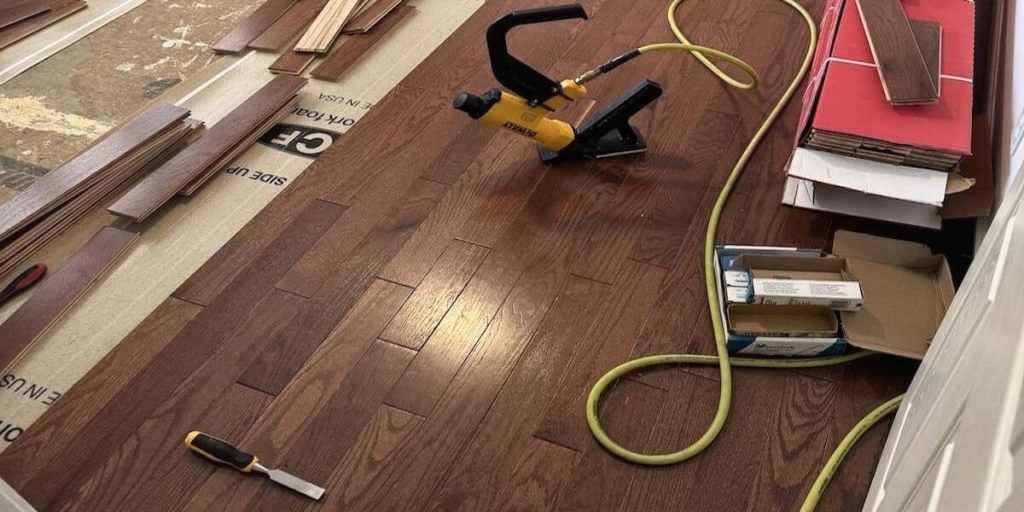
Tools and Equipment (5-10%): If you hire someone to build a bookcase but decide to paint it yourself you will need some tools. A paint roller, brush, paint tray and the paint itself.


Permits and Approvals (1-5%): Many renovations need permits, especially for structural changes or electrical work. For a basement remodel, it would include permits for egress windows. A kitchen renovation needs permits for plumbing work.

Furniture and Decor (5-10%): This category includes any new furniture and finishing touches. In a bedroom; a new bed frame, curtains, or a painting. In a living room; new sofa, rugs, and lamps.


Labor Costs (20-35%): This includes the cost of contractors and labor. In a kitchen; the installation of cabinets, countertops, and electrical work. In a bathroom; tiling, plumbing, and fixture installation.


Final Inspection and Clean-Up (1-5%): This covers the cost of post-renovation inspections. These inspections make everything is up to code, which is necessary if you ever sell your house. It also covers any final clean-up needed. For a kitchen remodel, include a final inspection of plumbing or electrical work. Additionally, a deep clean of the space would be necessary if you had your floors refinished.

Contingency Fund (10-15%): It’s always a good idea to have a cushion for unexpected costs. In a bathroom renovation, you’ll need it for the cost of unexpected mold removal. In a living room, it would be needed if there are issues with the subflooring or electrical wiring.


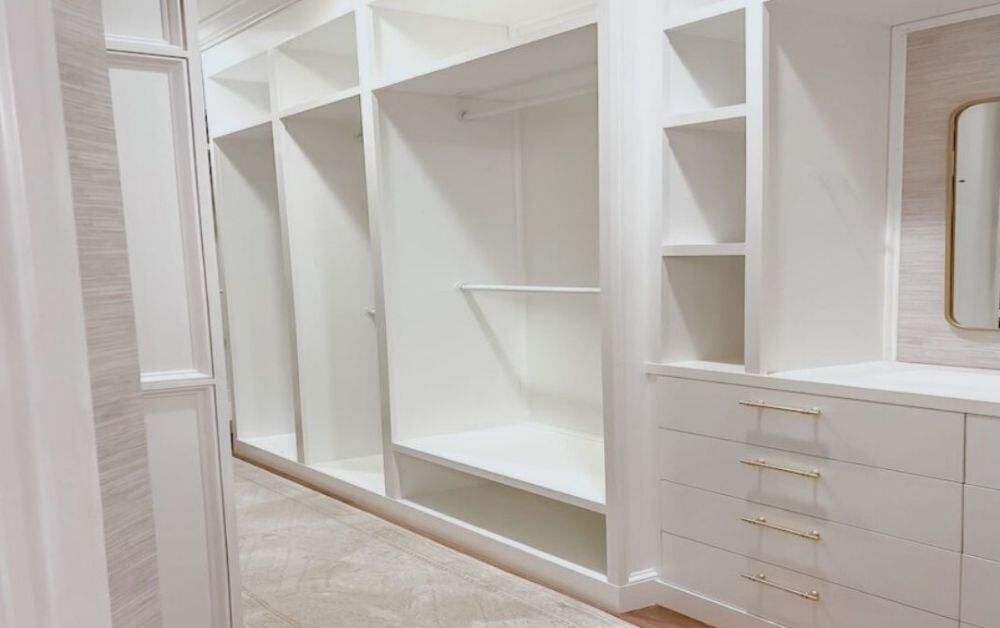

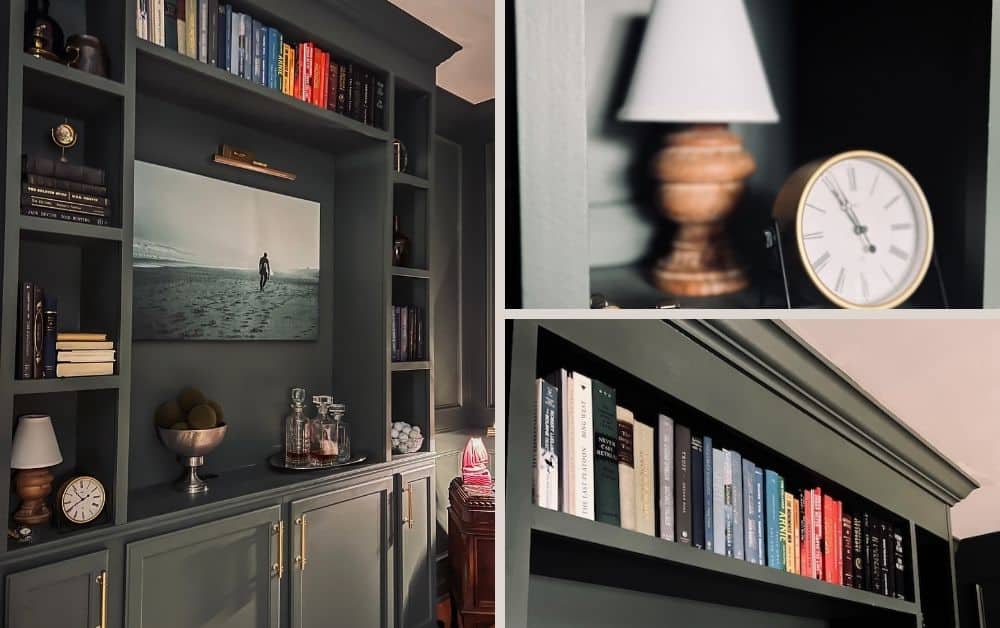
For My DIY’ers: Renovation Budget Calculator
This cost range is considerably lower for DIYers compared to hiring professionals. But, it’s important to keep in mind that investing in planning tools, learning resources, and small consultations can pay off. It can help the renovation stays on track and match the intended design vision.
Initial Planning and Design Costs
These costs would be lower than if they were hiring a professional. but there are still some expenses that can add up.
1. Design Tools and Software
- Cost: $0 – $100
DIYers often use free or low-cost tools to plan their renovations, such as: - Free Options: SketchUp Free, Home Styler, Floorplanner, or simple graph paper to sketch layouts.
- Paid Options: More advanced tools like AutoCAD, Canva, or other interior design software, which can range from $30 to $100 or more for a one-time purchase.
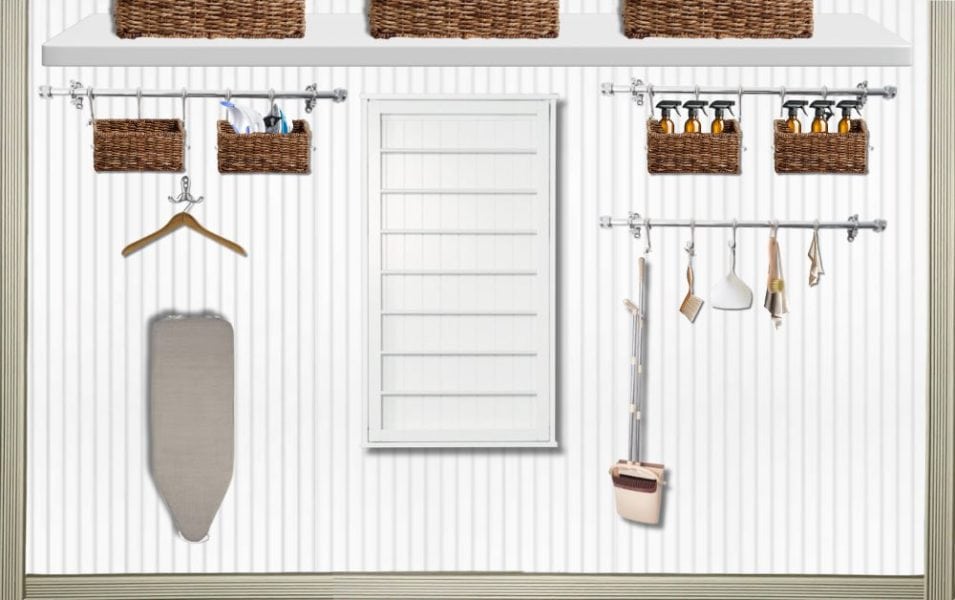

2. Online Tutorials or Consultations
- Cost: $50 – $150
Maybe you don’t hire a designer, but seek advice from experts via online platforms. Services like Etsy or Houzz often have affordable consultations or virtual design services for a few hours of advice. - Example: A virtual design consultation or online design service might cost between $50 to $150 depending on the platform.
3. Mood Boards and Design Materials
- Cost: $0 – $50
Creating a mood board to visualize the design is a crucial step for many DIYers. If done manually, it’s free, but using services like Canva or Pinterest can also help. - Example: A printed or digital mood board using online images and samples can cost $0 if you gather items from online sources or around the house, but some people choose to print or purchase material samples, which could cost around $50. Get our Free Renovation planner that includes a mood board template here.
5. Measuring Tools and Templates
- Cost: $10 – $50
Accurate measurements are key for any design. While these tools are often one-time purchases, they are necessary for planning the space correctly. - Example: A high-quality tape measure, laser measuring device, or templates for design range from $10 to $50. Check out my essential measuring tools here.
6. Project Planning and Budgeting Apps
- Cost: $0 – $20 per month
Some DIYers might choose to use apps for project management, budgeting, and tracking the renovation process. There are free versions of tools like Trello, or Houzz. However, premium versions with additional features might have a monthly fee. - Example: Budgeting or renovation planning apps could cost up to $20 per month for premium features.
Summary of Estimated Costs for DIY Initial Planning and Design:
- Low End: $0 (using free resources, tools, and books)
- High End: $250 (if purchasing a few software tools, design books, and seeking online consultations)

Labor Costs for DIY Renovators
- Tools and Equipment:
- Cost: $50 – $500
Investing in tools like drills, saws, paint sprayers, or tile cutters is common. These are often one-time purchases that can be reused for future projects. I have compiled a list of my favorite tools here.
- Cost: $50 – $500
- Skill Development:
- Cost: $0 – $200
DIYers usually learn new skills through online tutorials, workshops, or affordable classes. Platforms like YouTube are free, but hands-on courses or expert guides cost money.
- Cost: $0 – $200
- Safety Gear:
- Cost: $20 – $100
Proper safety equipment; gloves, goggles, and masks are necessary.
- Cost: $20 – $100
- Time Investment:
- Value: Variable
The time spent on a project is the biggest cost. A DIY kitchen remodel takes weeks or months, depending on the complexity, compared to the shorter timelines offered by professionals.
- Value: Variable
How Much Can You Actually Save By Doing-It-Yourself

DIY renovators can save a significant percentage of the total labor costs by doing the work themselves. Here’s an estimate of the savings to keep your renovation budget in check:
- Kitchen Renovation:
- Professional Labor Cost: 20-35% of total project cost
- DIY Savings: 25-30% of total costs
Savings result from doing tasks like cabinet installation, painting, or tiling yourself.
- Bathroom Remodel:
- Professional Labor Cost: 25-40% of total project cost
- DIY Savings: 10-45%
Tasks like installing fixtures, painting, and tiling can lead to huge savings.
- Living Room Renovation:
- Professional Labor Cost: 20-30% of total project cost
- DIY Savings: 20-80%
Savings are smaller because these renovations often involve simpler tasks like painting, flooring, or lighting installation.
- Bedroom Makeover:
- Professional Labor Cost: 15-25% of total project cost
- DIY Savings: 15-20%
Most savings come from painting and installing decor or furniture.
- Deck or Patio Construction:
- Professional Labor Cost: 30-40% of total project cost
- DIY Savings: 35-90%
This project offers the highest savings potential, as labor costs for outdoor structures are often high.
DIY renovators save on renovation costs by taking on labor themselves, with the biggest savings in projects like decks or patios and the smallest in straightforward interior updates. But, the time commitment, skill level, and tool costs should be carefully considered before deciding to DIY.
Why We DIY: Saving Money and Loving the Process:
We really enjoy home renovation projects, which I understand is not for everyone. I’ve found that when I hire someone for home renovations, I can never fully shake that feeling of wanting everything to be just right—my inner perfectionist always seems to find something that doesn’t meet my standards. By doing it ourselves, we not only saved some cash but also had the chance to fine-tune every detail just the way we envisioned it. Plus, there’s nothing quite like the satisfaction of knowing we crafted it all with our own hands!
Ultimate Guides
Master Your Next DIY Project with Our Comprehensive Guides

















Leave a Reply