


Whether you’re refinishing furniture, prepping walls for paint, or smoothing out woodwork, sanding is one of those unglamorous but totally necessary steps in a DIY project. Here’s a rundown of the sanding tools I actually use (and recommend), from quick fixes to detailed work.
Essential Sanding Tools Every DIYer Should Have
Sanding Tools I Actually Use and Recommend




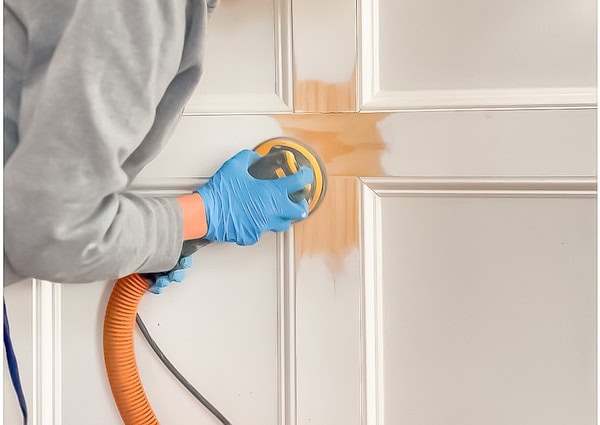
These are the same tools I reach for in my own projects—whether I’m repairing and painting our exterior stairs, smoothing out trim while installing staircase wainscoting panels, or prepping French doors for a fresh coat of paint. I also use this same grit progression when I’m choosing the right type of paint for a project, because good prep and good paint always go hand in hand. In all of these projects, the chart above keeps the sanding steps simple and predictable.
Disclaimer: This page may contain affiliate links. If you click on one of these links and make a purchase, I may receive a small commission at no extra cost to you. I only recommend products and services that I believe will add value to my readers. See our full Affiliate Disclosure at this link.

Disclaimer: This page may contain affiliate links. If you click on one of these links and make a purchase, I may receive a small commission at no extra cost to you. I only recommend products and services that I believe will add value to my readers. See our full Affiliate Disclosure at this link.
Beginner to Intermediate Sanding Tools
Sanding Sheets (for Hand Sanding)
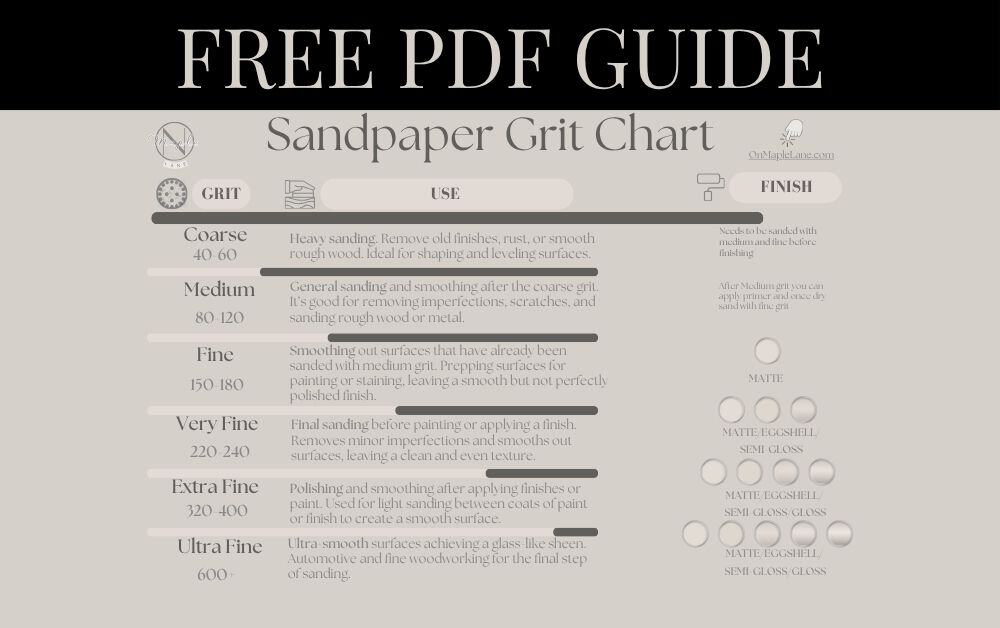
Sandpaper Grit Chart
Not sure which sandpaper grit to use? This simple chart explains 40–220 grit and includes a free printable PDF for quick reference.
Keep readingWhat it’s good for: Custom shapes, wrapping around dowels or weird angles.
Why I love it: You can cut it to size and use it with a sanding block or by hand.
Beginner Pick: Sanding Sheets in Assorted Grits
A variety pack that’s perfect for those starting out with different sanding projects. Simple, affordable, and versatile. Just cut these to size and wrap them around a scrap wood block or sponge for quick surface prep. Cut full-size sheets into thirds or quarters to get the most out of each one. Check out my free printable Sandpaper Grit Chart HERE.
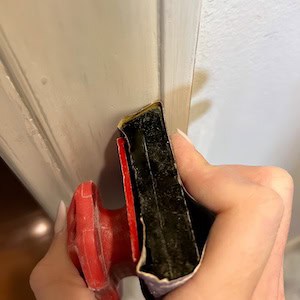
Intermediate Pick: Warner Sanding Block & Precut Sheets
I’ve tested a lot of sanding blocks, and this one is hands-down the best. It’s my go-to for almost every project. The flat bottom gives you even pressure and smooth sanding on flat surfaces. What really makes it special: one end has a sharp angled corner for getting into tight corners, while the other has a rounded edge—perfect for blending curves or softening corners.
💡 Tip: Wrap sandpaper around dowels or a putty knife to sand intricate shapes..

Orbital Sander
What it’s good for: Fast sanding on flat surfaces—think furniture, doors, plywood.
Why I love it: It’s easy to control, and with the right grit, it can go from stripping paint to fine finishing.
Beginner Pick: DEWALT Orbital Sander
Check out this lightweight sander! It’s easy to use with its comfortable grip, and you can adjust the speed for any job. Plus, it has a dust collection that keeps your workspace clean and helps you avoid inhaling dust.
Intermediate Pick: BOSCH Orbital Sander
The dual-mode design is super handy, giving you both regular and turbo sanding options for all kinds of jobs. Plus, the variable speed motor and tough build really make sanding easier and help the tool last longer.
💡 Tip: Let the sander do the work—pressing too hard can leave swirl marks and wear out the pad faster.
Detail Sander (Mouse Sander)
What it’s good for: Tight corners, trim, spindles, and awkward shapes.
Why I love it: It’s compact and fits into all those little nooks a big sander can’t reach.
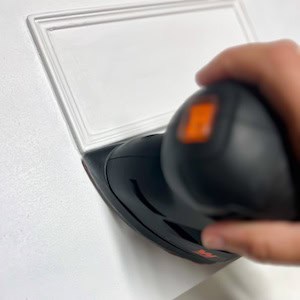
Beginner Pick: WEN Detail Sander
Its lightweight design makes it comfortable to hold and easy to move around, plus the hook-and-loop base means swapping out sandpaper is a breeze. The compact size and angled tip make it perfect for getting into those tricky corners and tight spots. I just don’t like that it doesn’t easily attach to my shop vac.
Intermediate Pick: BLACK+DECKER Detail Sander
The Black & Decker “Mouse” sander is a total champ when it comes to getting into those tight corners and edges, thanks to its tiny triangular sanding pad and handy finger attachment. WEN’s detailing file sander does a decent job but is more of a go-to for bigger, flat surfaces instead of those tricky spots.
💡 Tip: Keep a firm grip and don’t rush—it’s easy to accidentally gouge wood with the tip if you’re too aggressive.
Sanding Sponge
What it’s good for: Hand-sanding smaller spots, smoothing between coats of paint or polyurethane, perfect for all kinds of projects like woodworking, polishing furniture, and tackling drywall.
Why I love it: It’s tougher than sandpaper, super affordable, and flexible—you can reach those tight spots without over-sanding. Plus, when you use it wet, it really cuts down on dust. The foam material is great at trapping dust particles, making cleanup a breeze.
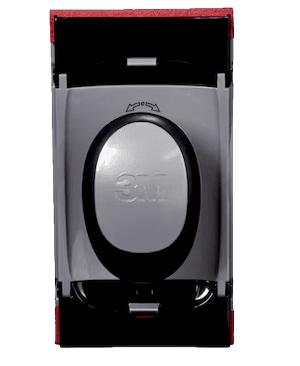
Beginner Pick: 3M Angled Sanding Sponge
Check out this awesome 3M sanding sponge set! It comes with three tough sponges (Coarse 60, Fine 180, and Fine 220) that are Plus, they have an angled edge to reach into corners and along edges where a flat sanding block might struggle, and a dust channeling design that helps reduce clogging, and you can rinse the sponge and reuse it.
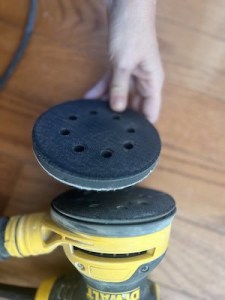
Intermediate Pick: Interface Pads for Orbital Sanders
I recently used these to sand all of my door trim before painting, and they were a game changer. The soft foam backing gave me a super smooth finish without digging into the wood or change the dimension of the molding. The kit comes with both soft and hard pads, plus 80 sanding discs ranging from 40 to 600 grit—perfect for everything from rough prep to fine finishing.
💡 Tip: Washable sanding sponges last longer and can be reused on multiple projects.
Dust Collection / Cleanup Tips
Attach your sander’s dust port to a shop vac to cut down on airborne dust big time. Even with dust collection, always wear a mask—fine particles from paint or filler can be harmful.
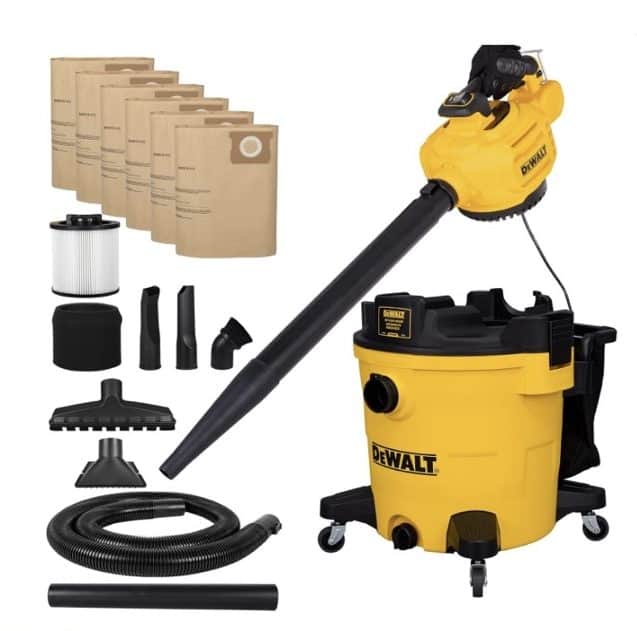
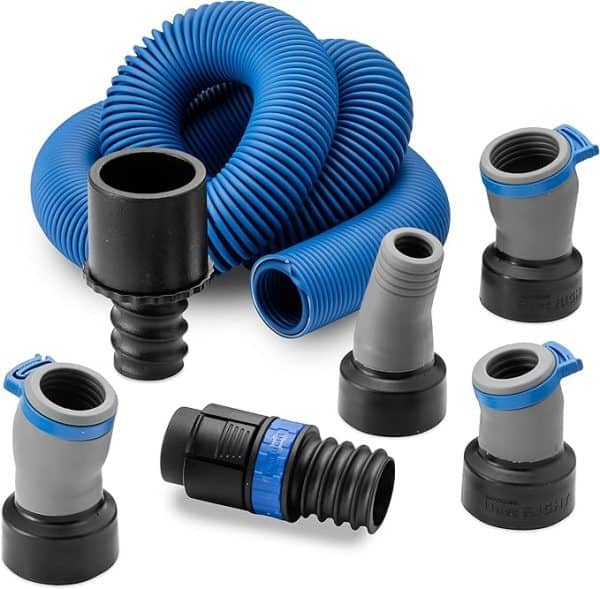


We use this Dewalt Shop Vac and these attachments. We also have a Buckethead Shop Vac, which is a mini vacuum that sits on top of a 5-gallon bucket. Additionally, we have a Laguna Dust Collector in the shop. But this small Dewalt Cyclone Dust Collector is under $150 and has excellent reviews.
More Tool Guides
If you’ve got more time, check out these guides.















Leave a Reply