


Power Tools for DIY Home Projects
If you’ve ever stood in the tool aisle wondering what you actually need… same. There are a lot of “essential tool” lists out there—and most of them feel like you need a full workshop just to hang a shelf. You don’t.
This is the list I wish I had when I started—the essential power tools for DIY projects and home upgrades that you’ll actually use, plus what you can skip (at least for now).
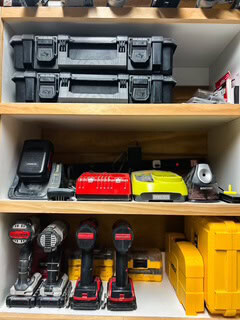
Core Power Tools for DIY Projects
These are the tools I reach for constantly. If you’re starting from scratch, start here.
Disclaimer: This page may contain affiliate links. If you click on one of these links and make a purchase, I may receive a small commission at no extra cost to you. I only recommend products and services that I believe will add value to my readers. See our full Affiliate Disclosure at this link.
Best Power Tools For Home Renovations
Top 5


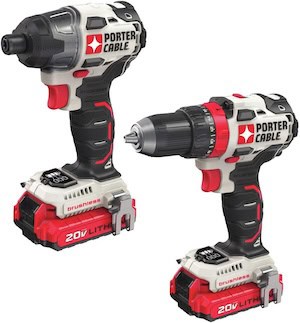
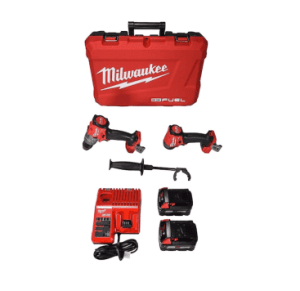
Drill + Driver (Non-Negotiable)
If you buy one thing, this is it. A drill/driver handles:
- Hanging shelves
- Installing hardware
- Assembling furniture
- Basic home repairs

Look for a cordless set with good battery life. You’ll use this on almost every project. We actually own two sets, because there is always multiple unfinished DIY projects happening at the same time.

Sander (If You Want Anything To Look Finished)
If you want your projects to actually look finished—this matters.
- When you have a large surface area, and hand sanding isn’t cutting it
- Furniture makeovers
- Material removal; old paint or uneven surfaces
- Before painting anything
In order of most used to least used, here’s what I actually reach for:
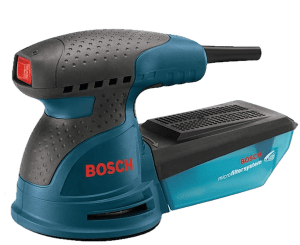
- Orbital Sander (everyday sanding): This is my go-to. If you’re prepping furniture, cabinets, or anything you’re painting, this gives you a smooth, even finish without gouging the surface. It’s easy to control and does most of the work.
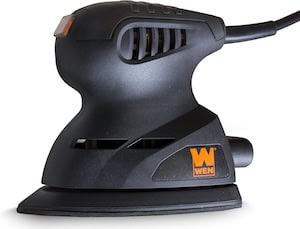
- Mouse Sander (tight spaces): Perfect for corners, edges, and small areas the orbital sander can’t reach. I use this a lot for detailed work or anything with angles, because of the pointed tip.
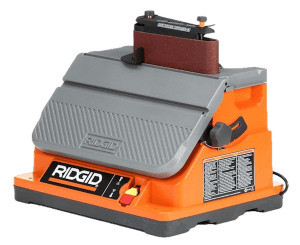
- Benchtop Sander (precision shaping): Great when you need to sand edges evenly or shape small pieces. I don’t use it all the time, but it’s really helpful for more controlled, repeatable sanding.
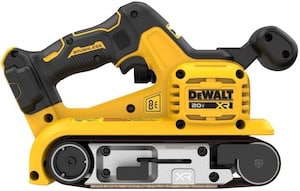
- Belt Sander (heavy material removal): This is more aggressive. Good for removing a lot of material quickly or flattening rough surfaces—but it’s easy to overdo it, so I don’t reach for it often.
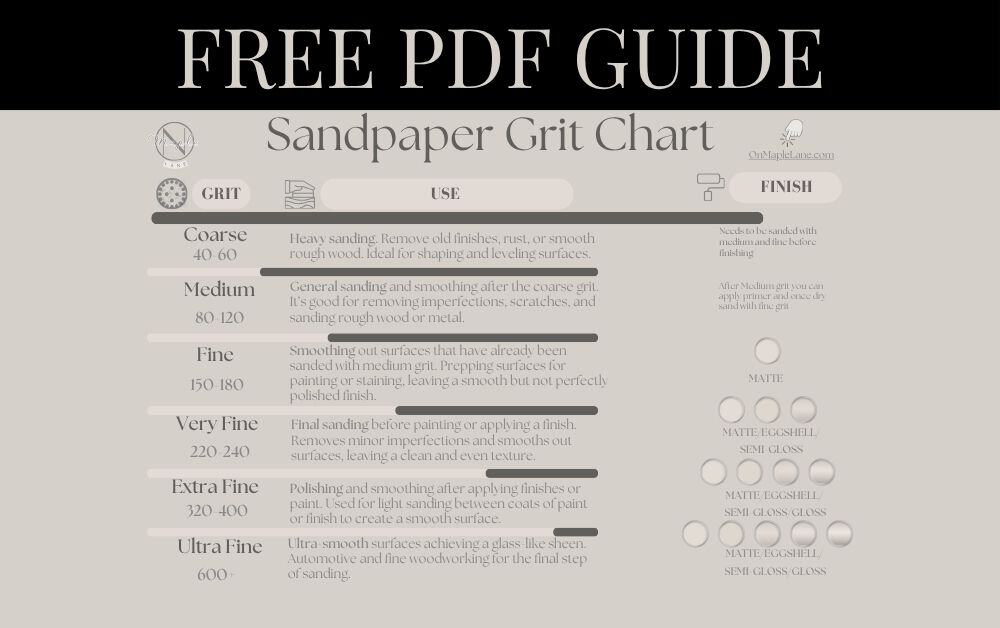
Sandpaper Grit Chart
Not sure which sandpaper grit to use? This simple chart explains 40–220 grit and includes a free printable PDF for quick reference.
What We Actually Own:
Saw (Some are way more useful than others)
For home renovations, power saws make a big difference—especially when you’re dealing with multiple cuts, tougher materials, or anything that needs to be done efficiently. Hand saws can work for small, one-off tasks, but most DIY projects (70%) end up relying on power tool saws. And not all saws are equal.
- Demo
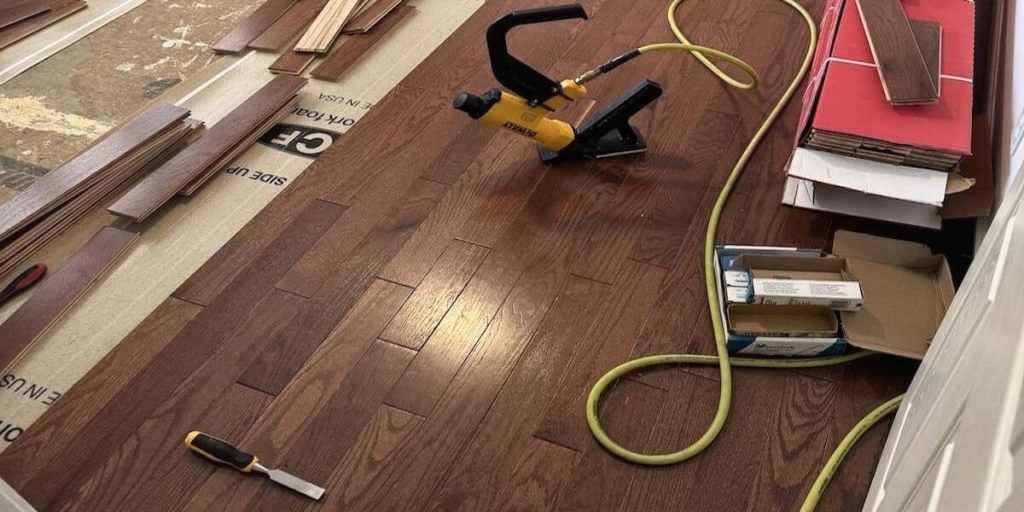
- Installing flooring or trim
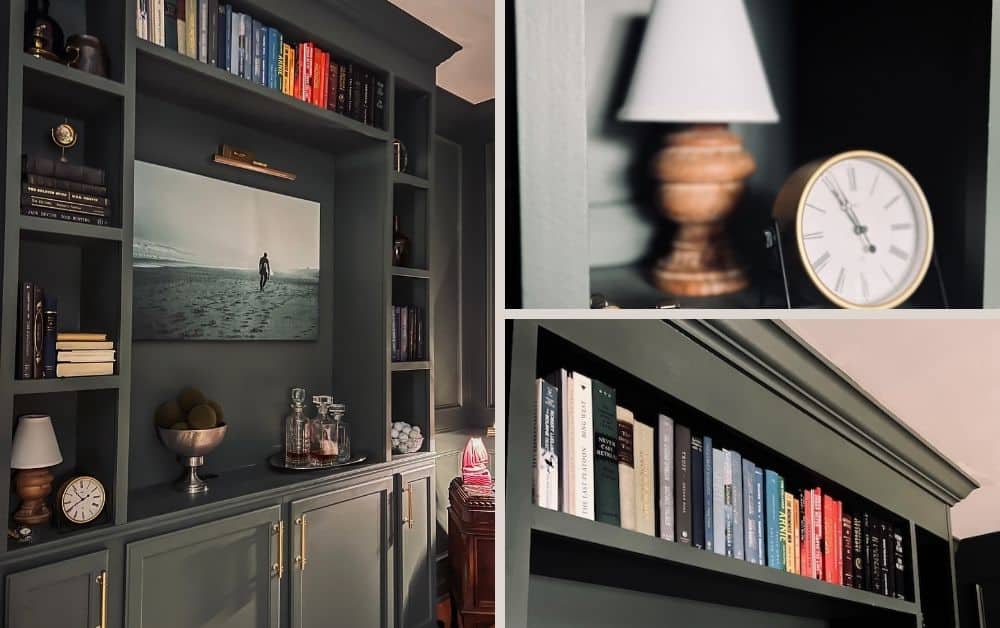
- Building cabinets or shelving
In order of most used to least used, here’s what I actually reach for:
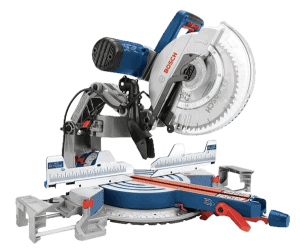
- Miter Saw (cutting linear lumbar): This is my go-to. If you’re doing trim, framing, or anything that needs clean, accurate cuts it’s really hard to get that any other way. Plus if you need to cut multiple pieces the exact same size use a stop block, which is just a fixed piece of wood (or clamp) set at a specific point on your saw so every cut stops in the exact same place.
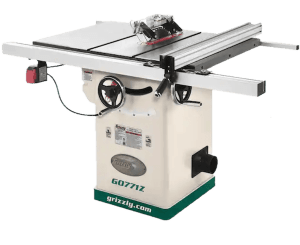
- Table Saw (cutting sheets): Great for ripping boards, cutting large 4’x8’sheets into more manageable sizes. When you need perfect, repeatable rip cuts (lengthwise). I use this a lot for built-ins and anything cabinet-related.
- Track Saw (safer way to cut sheets): With a table saw, you’re pushing wood through a spinning blade, which is where most kickback happens. With a track saw you’re guiding the blade along the board, which gives you a lot more control and reduces the chance of kickback. Plus it’s portable, you don’t need a massive, dedicated workspace. Way more controlled than a circular saw, because it runs on a track that’s clamped down.
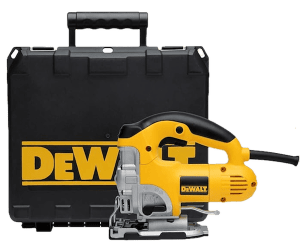
- Jig Saw (intricate cuts or shapes): It’s not your everyday tool—but when you need it, you really need it.
- Circular Saw (pretty versatile): It’s way more practical (and affordable) than a full table saw when you’re starting out. I know this shows up on every “must-have tools” list—but I barely use mine.
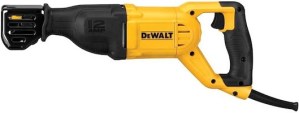
- Reciprocating Saw (demo tool): Great for tearing things out, cutting through old materials, or anything where precision doesn’t matter.
What We Actually Own:


Nail Gun (Cleaner results, more efficient than a hammer)
This is one of those tools that speeds everything up—and once you have it, you won’t want to go back to a hammer.
- Installing Trim
- Securing pieces while glue sets
- Projects with a lot of repetition
- When you don’t want to see the nail or screw
- When you need a third hand


In order of most used to least used, here’s what I actually reach for:
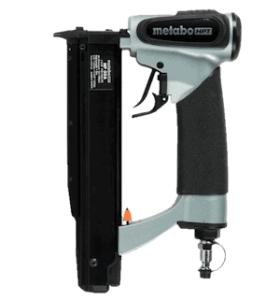
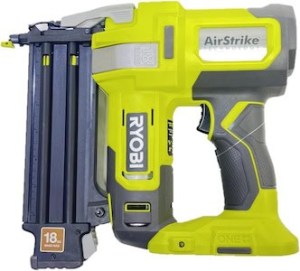
- 16-Gauge Finish Nailer (trim + heavier pieces): This is my go-to. Strong enough for baseboards, door trim, and anything that needs to stay put. If you’re only getting one nail gun, this is the one.
- 18-Gauge Brad Nailer (lighter work): Great for smaller trim, quarter round, and more delicate pieces where you don’t want big nail holes. I use this when I don’t need as much holding power.
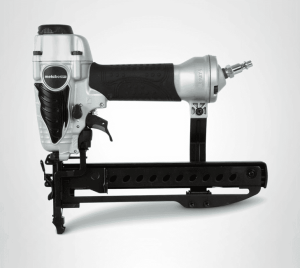
- Stapler (upholstery + hidden fastening): This is more of a specialty tool, but really useful for things like upholstery, attaching backing, or anything where nails don’t make sense.
Corded (Compressor) vs Cordless
- Compressor + Hose (more power, less convenient):
It’s reliable, lighter in your hand, and usually cheaper—but dragging around a hose gets old fast. - Cordless (Battery-Powered) (easier, faster setup):
No hose, no setup—just grab it and go. Heavier, but way more convenient for everyday projects. But more frequently jams.
What We Actually Own:

Oscillating Multi-Tool (The Unexpected MVP)
This is the tool no one talks about—but ends up saving you. A Multi-Tool is the answer to every DIY dilemma. Whenever I find myself asking, “How am I going to do that?” this tool comes to the rescue. Need to trim door jambs for new flooring? Struggling to remove rusty nails? Trim baseboards that are already attached? Need to cut something in a tight and awkward space, this beats pretty much everything else.
- Sanding tight corners
- Cutting trim in place
- Fixing mistakes without tearing everything out


Once you have it, you’ll wonder how you lived without it.
What We Actually Own:

Start Small, Build Your Collection
Most Used Power Tools
If you’re just getting started with DIY, don’t feel like you need to buy every tool at once. Start with the basics, like a cordless drill and sander, then expand your collection as you tackle new projects.


More Ideas
If you’ve got more time for home improvement ideas check out these projects.
Latest Projects
Check Out My Latest Home Makeovers and DIY Transformations
Project Guides
Everything you need to plan and finish your project.













Leave a Reply