


If you’ve ever tried to match a kitchen faucet to anything else—hardware, lighting, even a water dispenser—you’ve probably run into this:
Everything says “brushed gold”… and none of it actually matches. That’s exactly what happened to me.
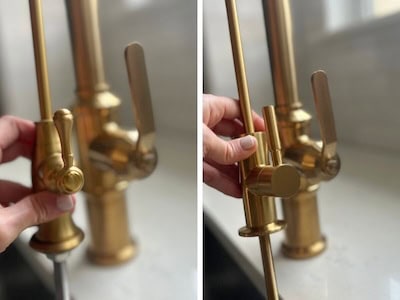
I ordered multiple pieces thinking they’d be the same tone, and when I put them side by side, they were completely different. Some looked warm and yellow, some were muted, and some leaned almost bronze.
That’s when I realized the finish name doesn’t actually tell you what it’s going to look like.
Go straight to
Disclaimer: This page may contain affiliate links. If you click on one of these links and make a purchase, I may receive a small commission at no extra cost to you. I only recommend products and services that I believe will add value to my readers. See our full Affiliate Disclosure at this link.
Why All “Gold” and Brass Finishes Look Different
“Brass” or “gold” isn’t one color. It’s a mix of undertone and finish, and those two things vary a lot depending on the brand.
Two faucets can both be labeled brushed gold and still look completely different in real life. One might feel bright and yellow, while another looks softer or slightly aged.
Once you start paying attention to that, it becomes really obvious why things don’t match.

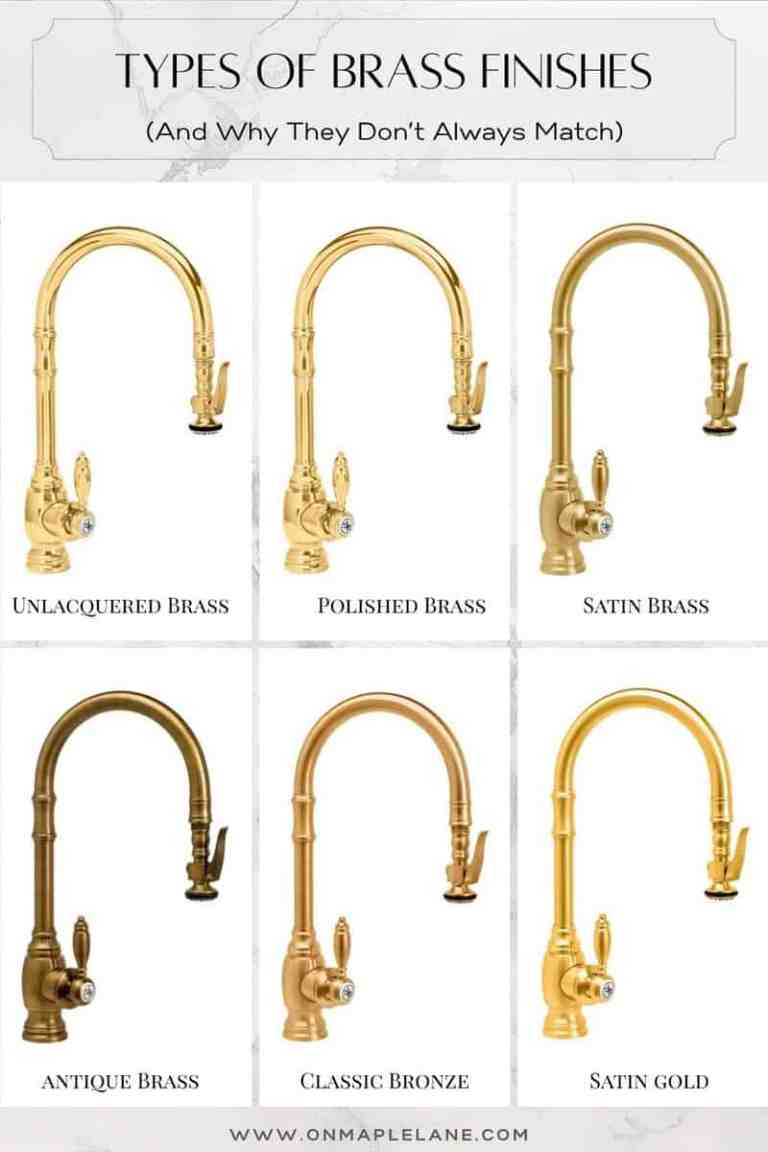
Types of Brass Finishes (What They Actually Look Like)
Instead of over-explaining this, it’s easier to see it.
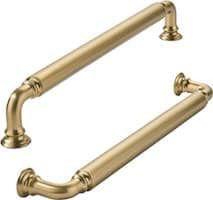
Polished brass is bright and reflective. Brushed brass has a soft texture but can vary a lot in tone. Satin brass is more muted and less yellow. Antique brass is darker and more aged. Unlacquered brass starts bright and changes over time.

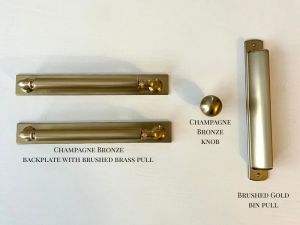
Brushed Brass vs Satin Brass vs Satin Gold vs Champagne Bronze
Side by side, these finishes don’t look similar at all. But the tone changes depending on the brand. “Brushed brass” or “Satin Brass” isn’t standardized, so the name doesn’t guarantee anything.
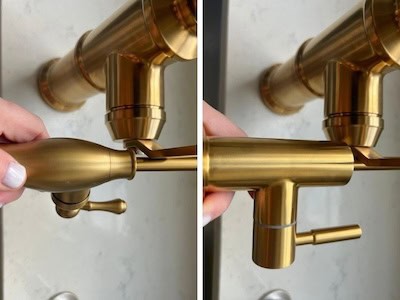
Brushed finishes have those subtle lines you can actually see, which gives them more texture and helps hide scratches. Satin is smoother and more even, with a softer look and a slight sheen that feels a little more polished overall. A “gold finish” isn’t a metal at all—it’s a coating, so it doesn’t change the way real brass does.

“True” brass isn’t one exact color, but if you’re looking at it in its natural state, it’s usually a warm, soft gold with a slightly muted tone—not super yellow like plated gold, and not overly brown either (like bronze). It sits somewhere in the middle and can shift depending on the mix of copper and zinc.
Where it gets confusing is that most of what you see in stores isn’t raw brass.
That’s where unlacquered brass comes in.
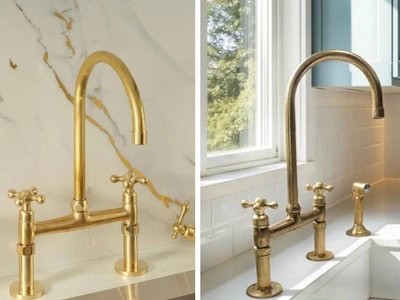
Unlacquered brass is real brass with no protective coating on it, so what you’re seeing is that natural starting color. Over time it reacts to air, water, and touch and slowly darkens, softens, and develops a patina.
So, it might start out closer to that warm, natural brass tone, but it won’t stay there. It will shift into something deeper and more lived-in, which is why two unlacquered brass pieces can look completely different depending on age and use.
Why Your Faucets Don’t Match (Even If They’re “Brushed Gold”)
This was the mistake I made.
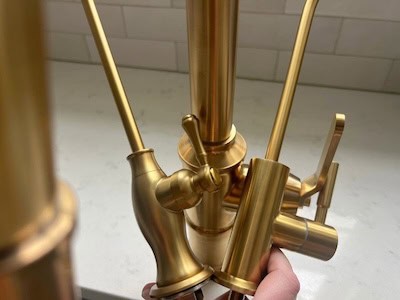
I assumed if everything had the same finish name, it would match. When I put the faucet and water dispenser together, they didn’t even look like they belonged in the same kitchen.
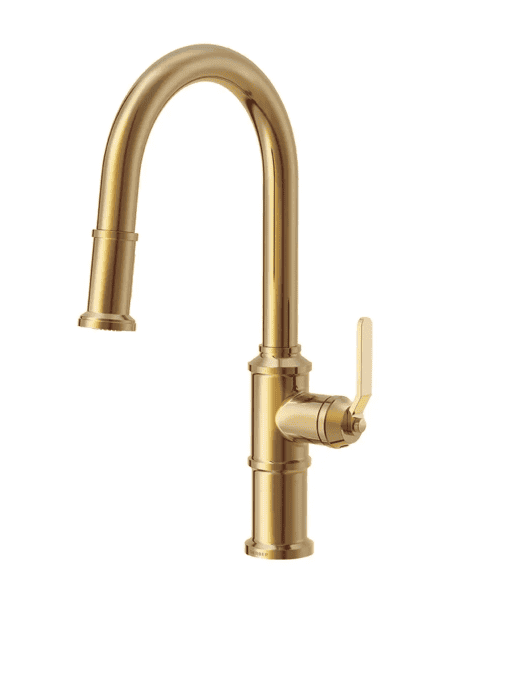
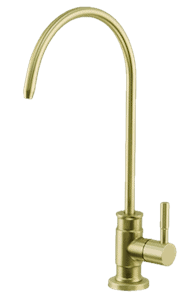
One was warmer and more yellow. The other was softer and slightly muted. Once installed, the difference stood out even more.
How to Choose a Brass Finish That Actually Matches
The easiest way to get this right is to ignore the name and focus on the color.
Look at the undertone first. Decide if you want something warm and yellow, soft and muted, or slightly aged, and stay consistent with that direction. If you can, compare pieces side by side before installing anything. Even review photos can be misleading.

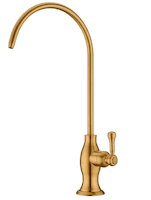
I ordered this Wellup one (which has a coupon right now, it’s a great deal), and the product image shows it’s definitely more yellow

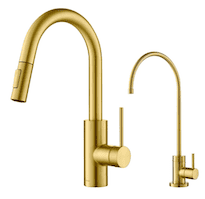
And this Kraus faucet, which was more cool toned, but looked exactly the same as my faucet in the reviews. (here’s a link to the set with the faucet)
Sticking with the same brand helps. But in my case, Gerber doesn’t make reverse osmosis faucets.
Real Kitchen Faucet Comparisons
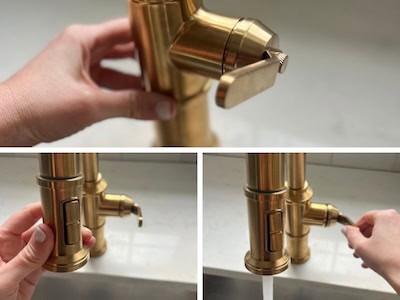
This is where I noticed the biggest difference.
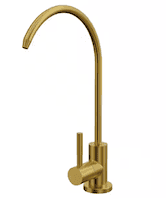
Looking at these in the same space, some finishes felt really warm and bright, while others looked more toned down. A few didn’t match anything else at all.
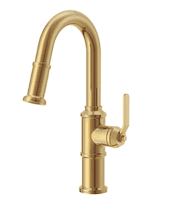
The biggest difference showed up when pairing the main faucet with the reverse osmosis faucet. Even small shifts in tone were noticeable once everything was installed.

Some lean warm and yellow, some are more muted, and some fall somewhere in between. Once you figure out which direction you like, it’s much easier to choose something that works with the rest of your space.


Choosing the Right Brass Finish for Your Kitchen
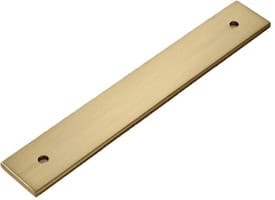
If there’s one thing I’d do differently, I wouldn’t rely on finish names at all. Order a few choices and make the decision in real life, and in different lighting.
If you’re trying to avoid the mismatch issue, the safest approach is to group finishes by how they look, not what they’re called.


Pull-Down Faucet and Water Filter Faucet Combos

Kohler Artifacts
Kraus
More Ideas
If you’ve got more time for hardware updates ideas check out these projects.

















Leave a Reply