


If there’s one DIY project that gives instant gratification, it’s painting. I will go on record and say that the cheapest, fastest, and most effective DIY projects I’ve ever done are simply painting something. Seriously—it’s the easiest, most affordable way to refresh your space. But here’s the secret: the right tools make all the difference.
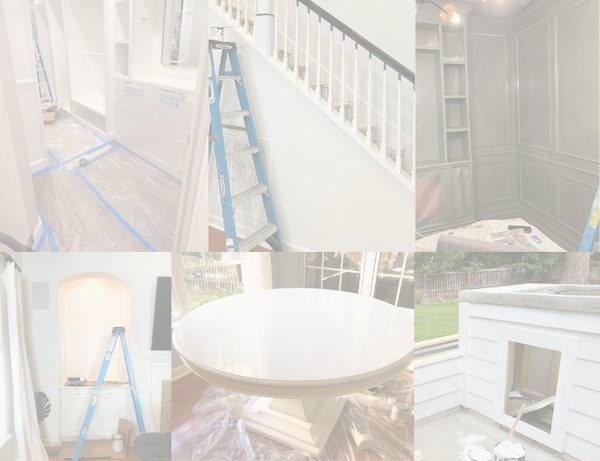
Here’s what you need to stock your painting toolkit with, plus my go-to picks for each.
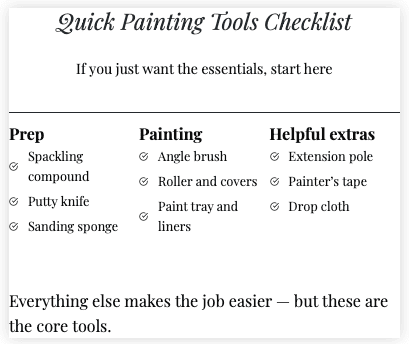
Essential Paint Prep Tools for a Smooth, Professional Finish
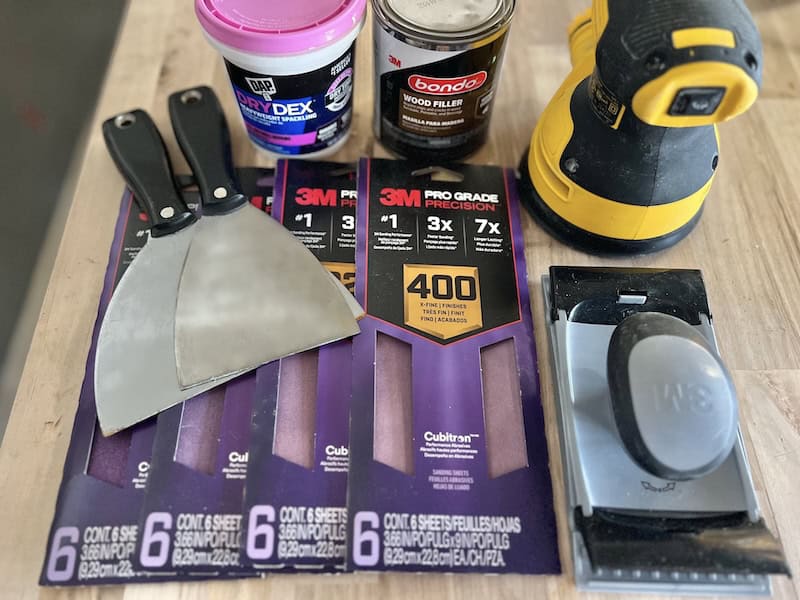
You might be tempted to skip this step, but trust me—paint won’t cover nail holes, dents, or rough patches. A little prep goes a long way in making your project look professionally done.

If you have nail holes or small dings in the wall, go with this pre-mixed formula. Just spread it on, let it dry, and sand smooth.
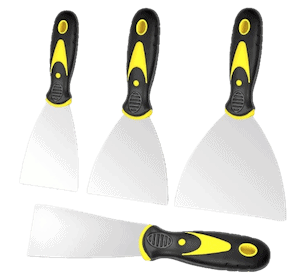
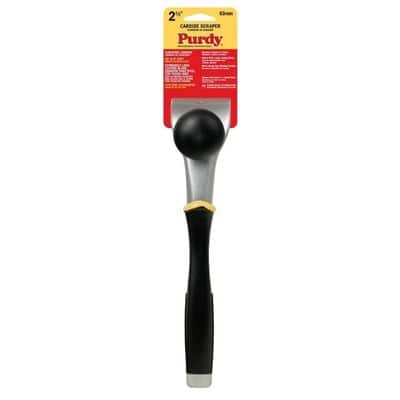
A must for applying spackle, smoothing caulk, and even scraping old paint drips. Go for a set with different sizes—it makes detail work so much easier.
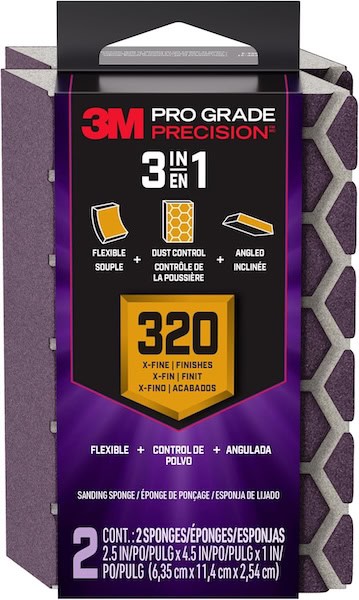
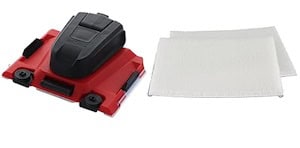
these sponges make it easy to get into corners and smooth out surfaces before painting. And you can wet these for drywall.
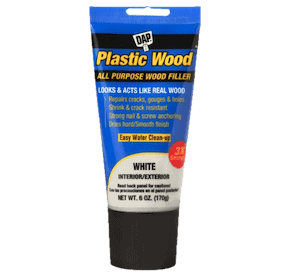
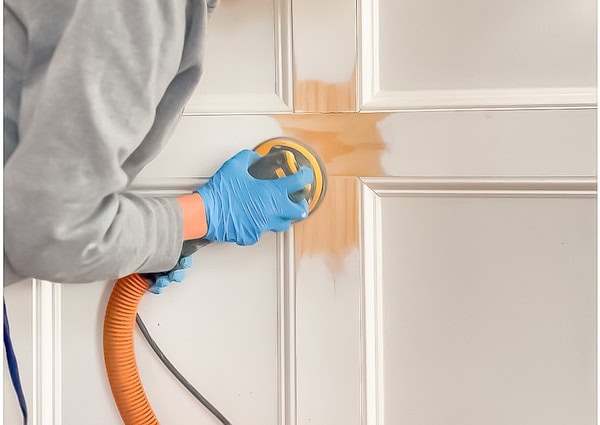
If you’re painting furniture or trim, don’t skip this step. This wood filler blends in perfectly and sands down smoothly.
Best Paintbrushes for DIY Projects (How to Choose the Right One)
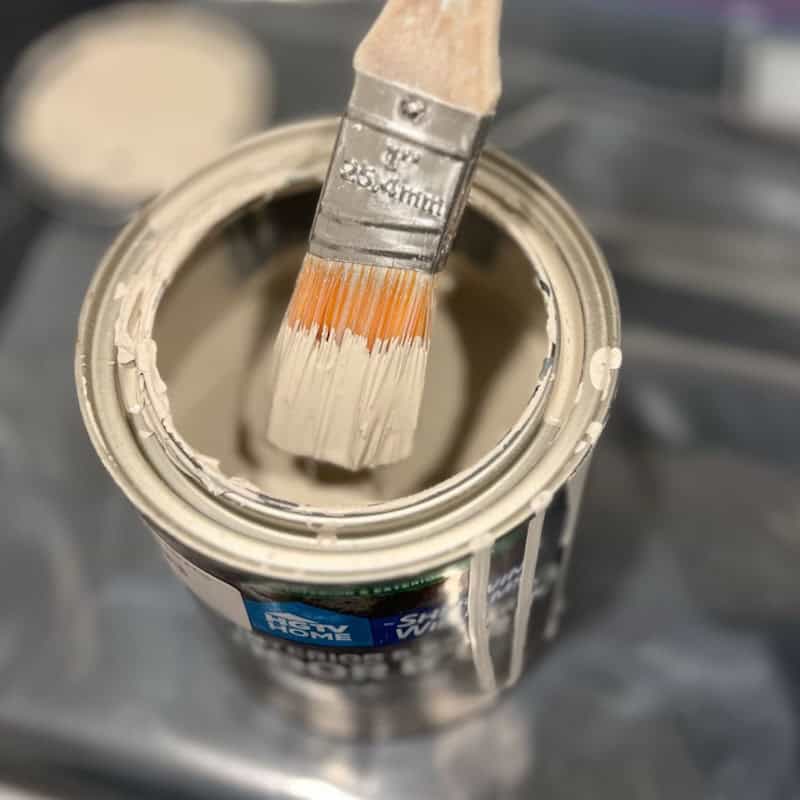
Not all paintbrushes and rollers are created equal.
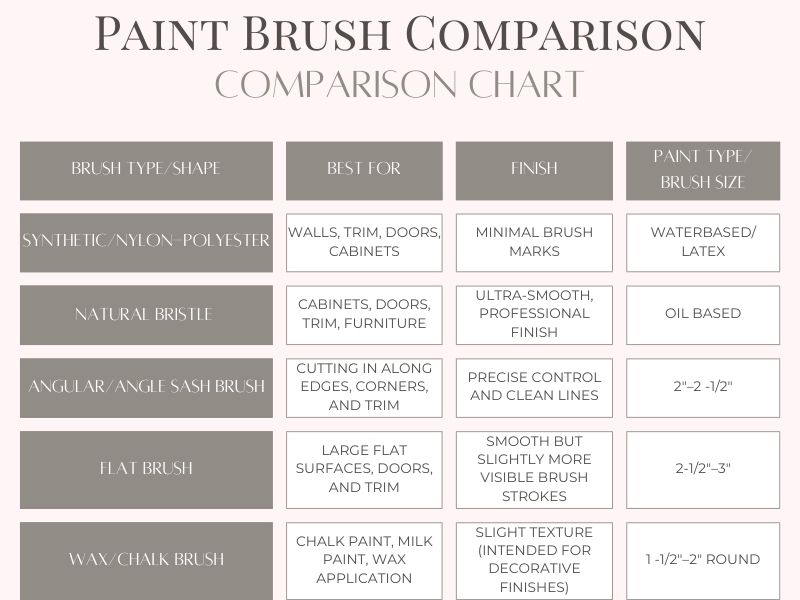
Cheap ones shed bristles or leave streaks, and nobody wants that. Opt for synthetic bristles for water-based paints and natural bristles for oil-based paints. Angled brushes work great for cutting in along trim and corners, while flat brushes are perfect for broad surfaces. Here’s what actually works:
Best Multi-pack
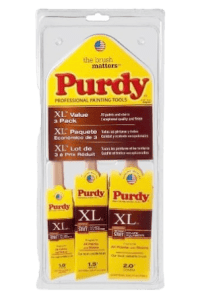
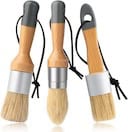
This is my go-to set when I need multiple brushes for a project. It includes a large brush for coverage and an angle brush for clean edges. Great quality for the price, and they last for years if you clean them.
Best Overall
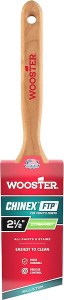
This is my most-used brush. It holds paint evenly, cuts clean lines, and stays in great shape project after project. Perfect for trim, doors, and cabinets.
Best for Oil-Based Paint

Best brush I’ve used for oil-based paint — smooth, even coverage and no shedding. The angled shape makes cutting in around trim and edges easy. The natural china bristles hold plenty of finish, apply it smoothly, and don’t shed. — especially on doors, cabinets, and trim.

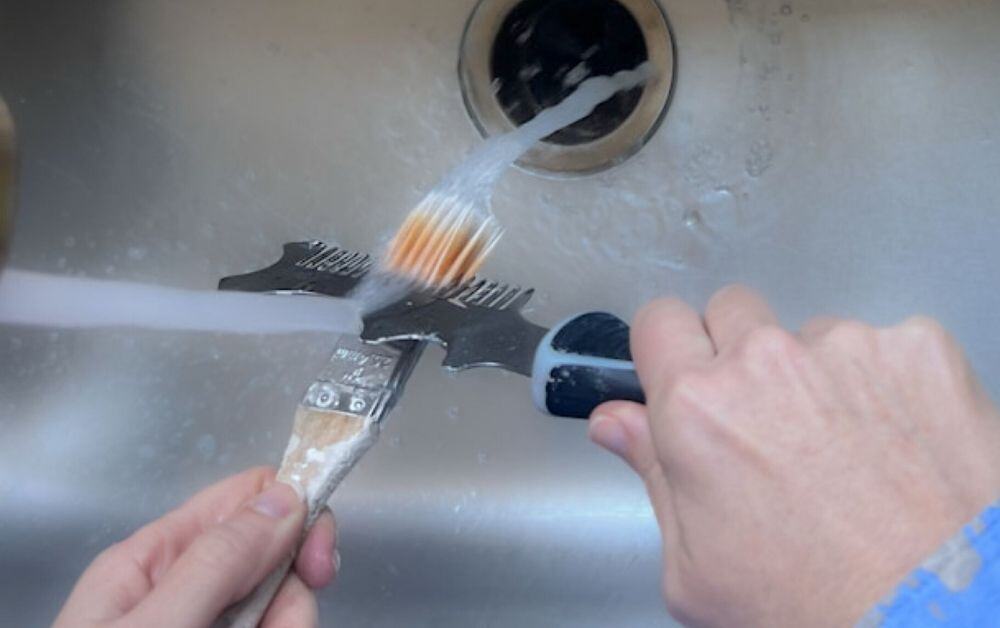
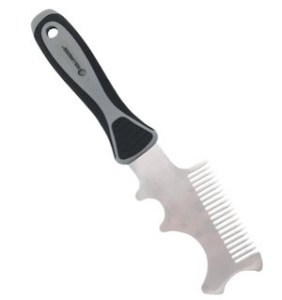
How to Clean a Paintbrush: What Actually Works
I just tested some of the most popular ways to clean paintbrushes. Some of them were a total waste of time, some were okay, but there was 1 clear winner.
Best Paint Rollers for Walls, Cabinets, and Doors
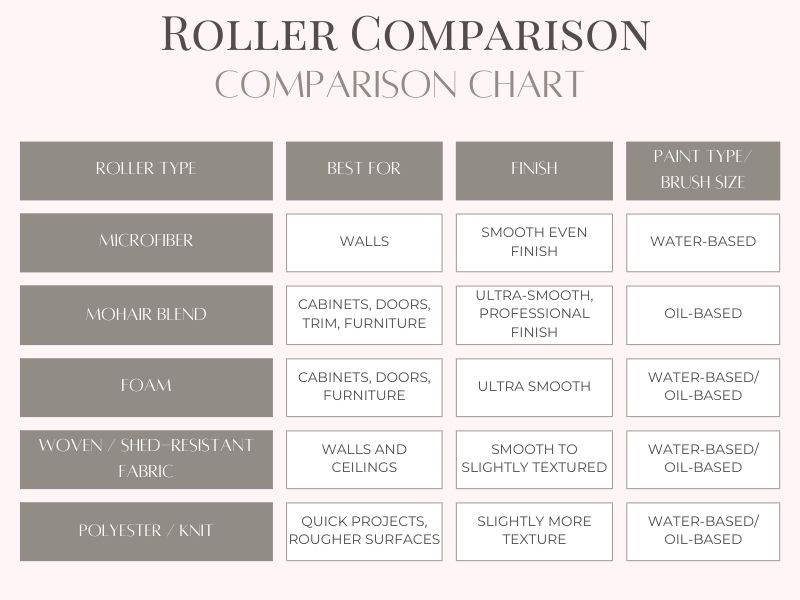
The roller you use makes a bigger difference than most people expect. A good roller holds more paint, applies it evenly, and leaves a smoother finish. Cheap rollers tend to leave lint behind or create uneven texture, which can ruin an otherwise great paint job. I like to keep a few different types on hand depending on the project — foam rollers for cabinets and doors, and microfiber rollers for walls.
Pay attention to nap size — a ⅜” nap is best for most walls, while thinner naps create smoother finishes on cabinets and doors.

- ¼” nap: Best for cabinets, doors, and very smooth surfaces
- ⅜” nap: Best for most interior walls (this is my go-to)
- ½” nap: Best for lightly textured walls
- ¾” and up: Best for rough surfaces like brick or concrete
Best Woven / Shed-Resistant Fabric

This woven roller cover from Wooster is one of my favorite all-around options for painting interior walls. The woven fabric is shed-resistant and holds plenty of paint without dripping, so coverage is even and smooth. The 3/8″ nap is perfect for most walls and gives a clean, professional look without texture or streaks. Paired with a quality frame like the Wooster Sherlock, this cover gives results that feel a lot more professional than the cheap ones.
Best Microfiber
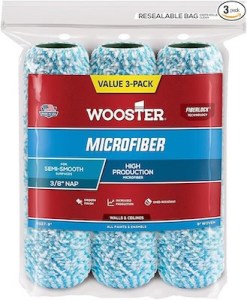
This is my best overall roller for painting walls with latex paint. The microfiber cover holds more paint, applies it evenly, and leaves a smoother finish than standard rollers. The 3/8″ nap is perfect for most smooth to lightly textured walls — not too thick, not too thin — and paired with a quality roller frame it makes painting go faster and look better. If you want walls that look like they were sprayed, microfiber is the way to go.
Microfiber vs Woven: Microfiber rollers hold more paint and give a smoother finish on interior walls, while woven covers are great all-purpose rollers but not quite as smooth.
Best Budget Pick
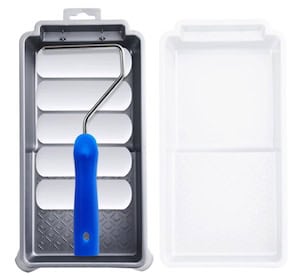
This is my budget pick for cabinets, furniture, and doors. It leaves a smooth finish with no brush marks and works surprisingly well for the price.
Best For The Smoothest Finish

This is my go-to roller for oil-based paint, stain, and polyurethane. The mohair blend holds the finish evenly and lays it down smooth without bubbles or lint. It’s especially good for doors, cabinets, and trim when you want a clean, professional finish.
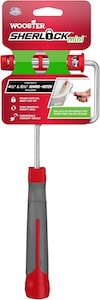

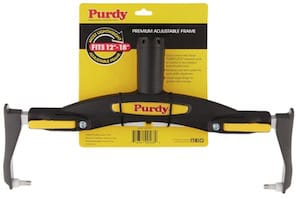
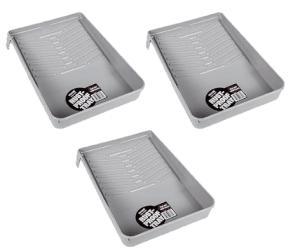
Paint Trays and Buckets That Make Painting Easier
Mess-free painting made easy!
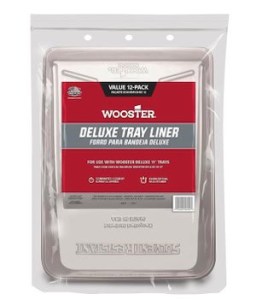


Painting Tools That Save Time and Make Cleanup Easier
Extras You’ll Be Glad You Have
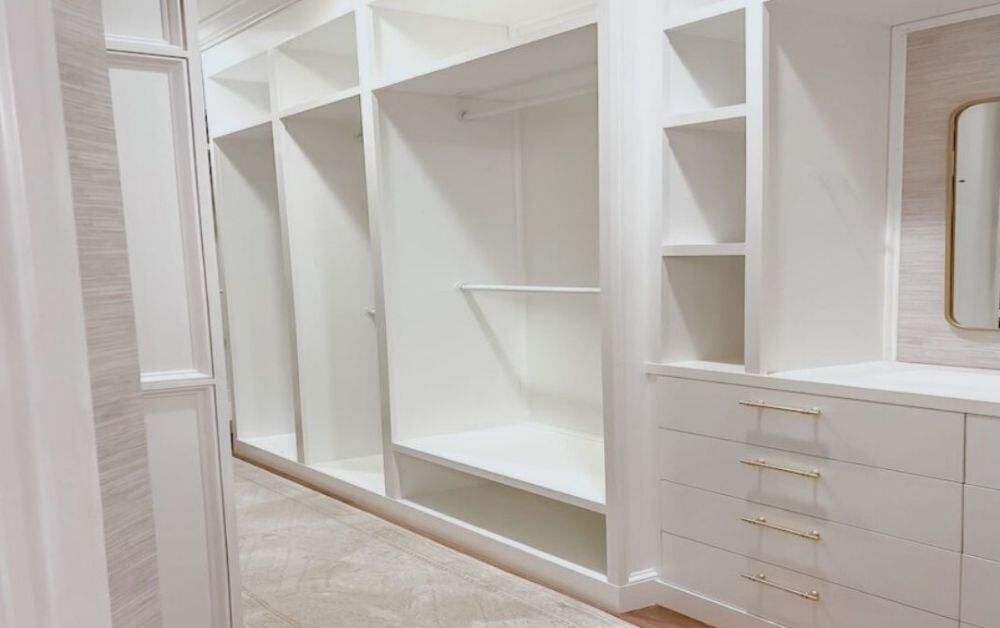

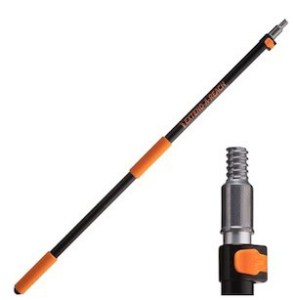
These make painting easier, faster, and less of a hassle.
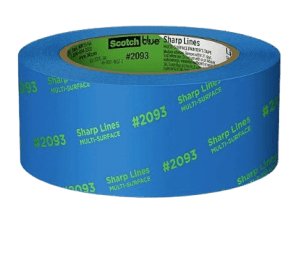
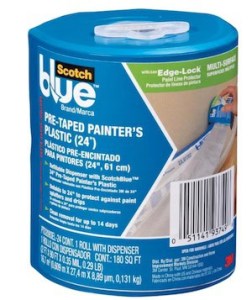

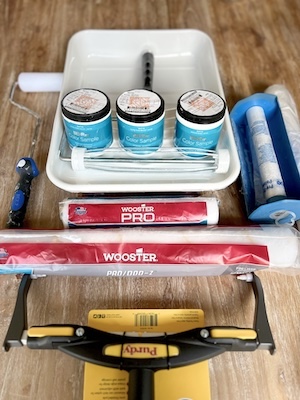
I’ve learned the hard way that cheap tools lead to more mess, more frustration, and more time fixing mistakes. These are the exact products I use on every DIY paint project, and they’ve never let me down.
More Painting Projects and Tips
Projects, tutorials, tips and ideas you can use for your next paint project.


Something went wrong. Please refresh the page and/or try again.














Leave a Reply