

How to Clean a Paintbrush: What Actually Works
I used to treat paintbrushes like they were disposable. Use it, rinse it halfway, toss it in a cup, forget about it, then get angry when I had to buy a new one. Most “ruined” brushes aren’t ruined. They’re just forgotten.
It’s not really hard to clean a paintbrush. It’s hard to do it right when you’re tired and just want to be done. Here’s what actually works, based on what I’ve tried and what I’ve messed up.
Before You Even Start Painting
The easiest brush to clean is the one you didn’t overload. This was the best tip I ever learned, and it’s pretty obvious. When paint dries deep inside the base of the bristles, it’s almost always because the brush was loaded wrong from the start. If you keep dipping your brush past the metal part, paint will get trapped where water can’t reach later.
I only load about the bottom third of the bristles. It gives me more control and keeps paint out of the hardest place to clean.
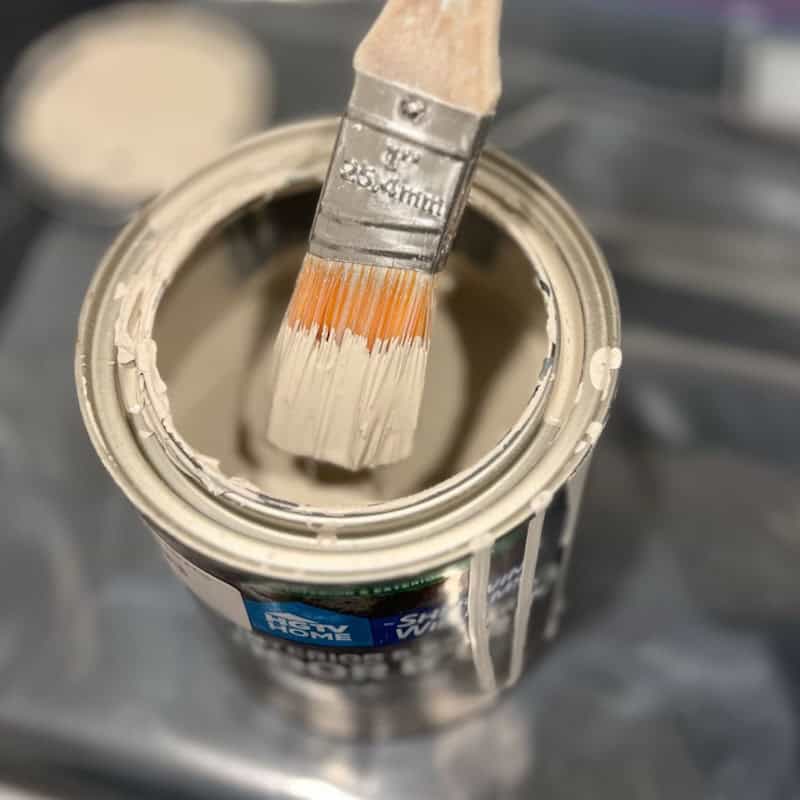
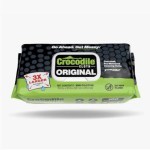
I always keep paint wipes nearby and wipe off extra paint as I go. Not perfectly clean, just not dripping.
How to Clean a Paintbrush Right After Painting
If the paint is still wet, this part is easy. You just have to actually do it instead of trying to get something else done and forgetting for two hours.
For water-based paint like latex or acrylic:

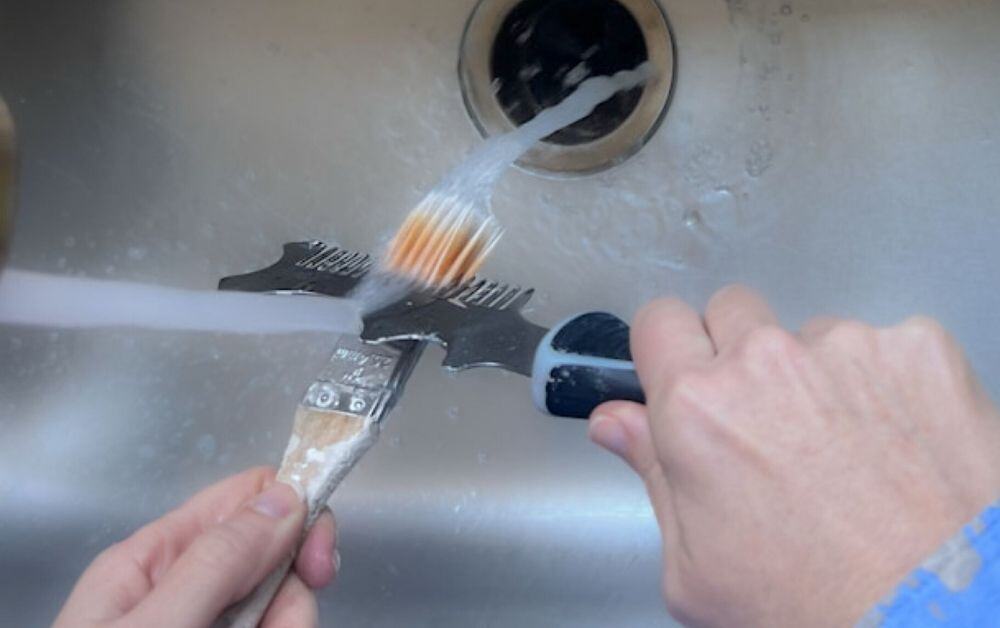
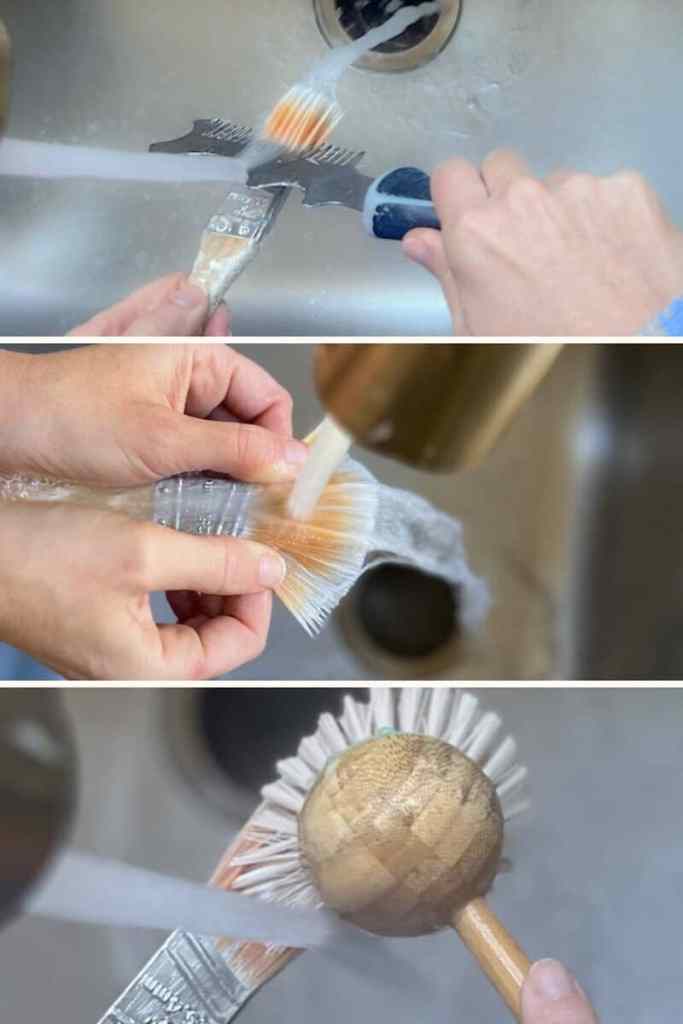
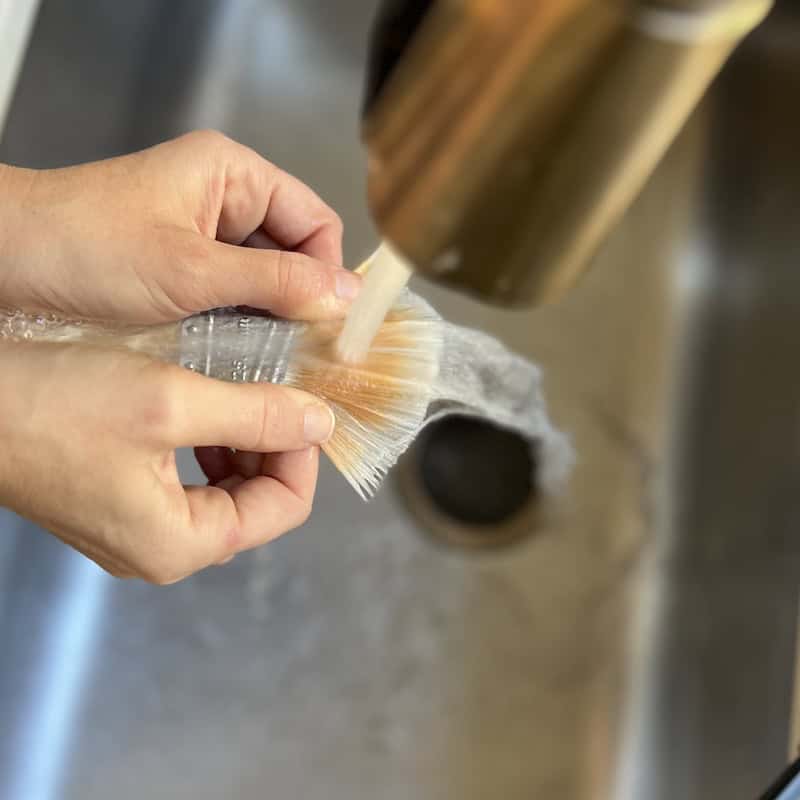
I rinse the brush under warm water and use my 4-in-1 paint brush comb to work the paint out. I don’t smash the bristles flat against the sink. I comb from the base down toward the tips while the water runs so the paint moves out the same direction it went in.
Once the water runs mostly clear, I add a little dish soap or brush soap and use a soft brush in the same direction, from base to tip. Going the wrong way can pull bristles out or loosen the glue that holds them in.

The base near the metal part is where leftover paint hides. Skip to: How to clean the base safely.
For Oil-Based Paint
Water alone just makes a mess with oil paint.
I wipe off as much paint as possible first using a rag or paper towel. Then I use mineral spirits or paint thinner in a small container and let it soak.
Then I do the same steps as I would with water-based paint. I wash it with soap and warm water after. Solvent first, soap second.
What “solvent” means:
A solvent is a liquid that breaks down oil-based paint so it can be removed. Mineral spirits and paint thinner are both solvents. But you can also use Murphy’s Oil Soap.

Disclaimer: This page may contain affiliate links. If you click on one of these links and make a purchase, I may receive a small commission at no extra cost to you. I only recommend products and services that I believe will add value to my readers. See our full Affiliate Disclosure at this link.
For Water-Based and Oil-Based Stains
Water-based stain cleans up like latex paint with warm water and soap.
Oil-based stain cleans up like oil paint. Wipe first, then use mineral spirits, then wash with soap and water.
Unfortunately the brush will take on the stain color, so keep that as just a stain brush.

How To Clean The Base Safely
I pinch gently right below the metal part and work soap into that area. Then I use the soft brush or comb, always moving downward. If soap isn’t reaching deep enough, I slightly spread the bristles with my fingers so water and soap can get inside without bending them out of shape.
Final rinse until there are no bubbles and no color in the water.
How To Clean A Paint Brush With Dried Paint
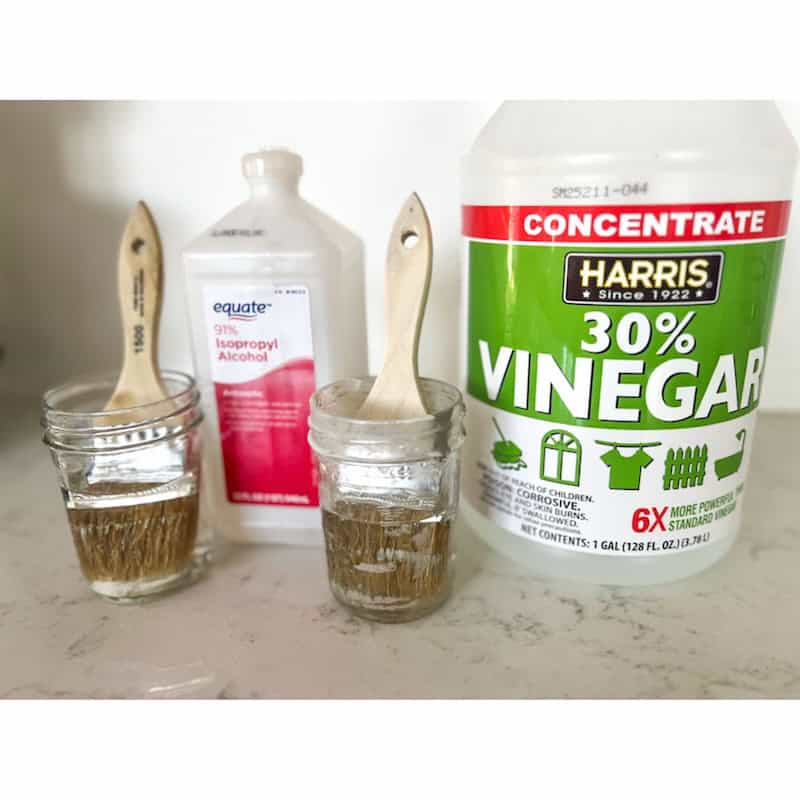
I’ve tried a lot of methods. Some help a little. Some barely do anything. What I tested:
- Dish soap alone: Barely touched dried paint
- Rubbing alcohol: Worked the best on dried latex and acrylic
- Warm vinegar: Softened paint a little but not enough
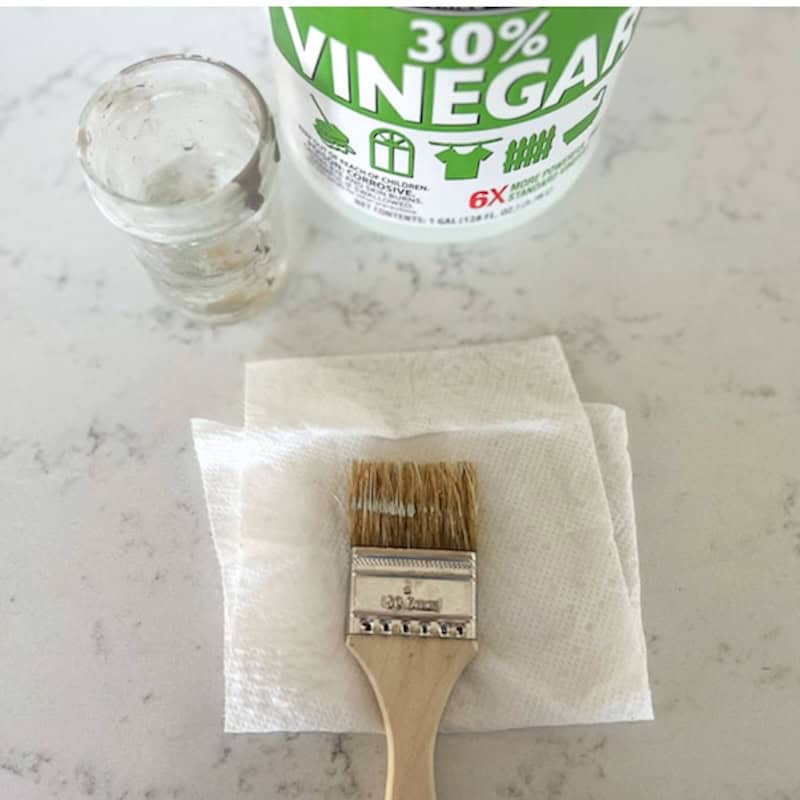
Rubbing alcohol method:
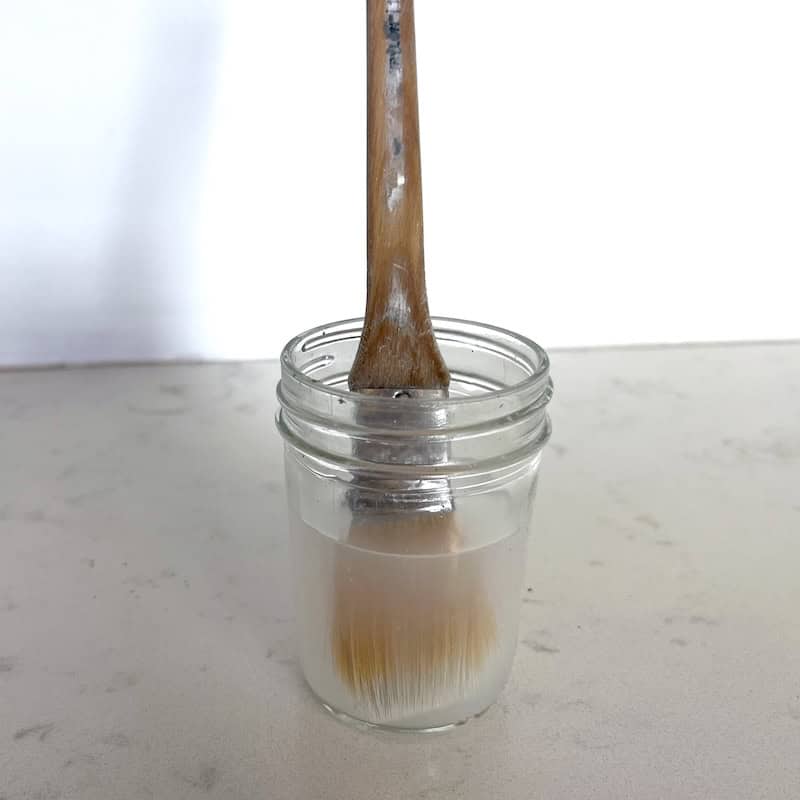
I pour enough into a jar to cover just the bristles and let the brush soak for few hours. I don’t submerge the handle.
After soaking, I gently work the bristles with my fingers. You can feel the paint start to loosen. Then I rinse and wash with soap like normal.
Let it soak for a few hours (alcohol) or overnight (vinegar/oil soap).
More Tricks For Dried On Paint:
Wrap the soaked brush in a warm, damp towel for about 10 minutes before combing. The heat helps soften stubborn paint without bending the bristles.
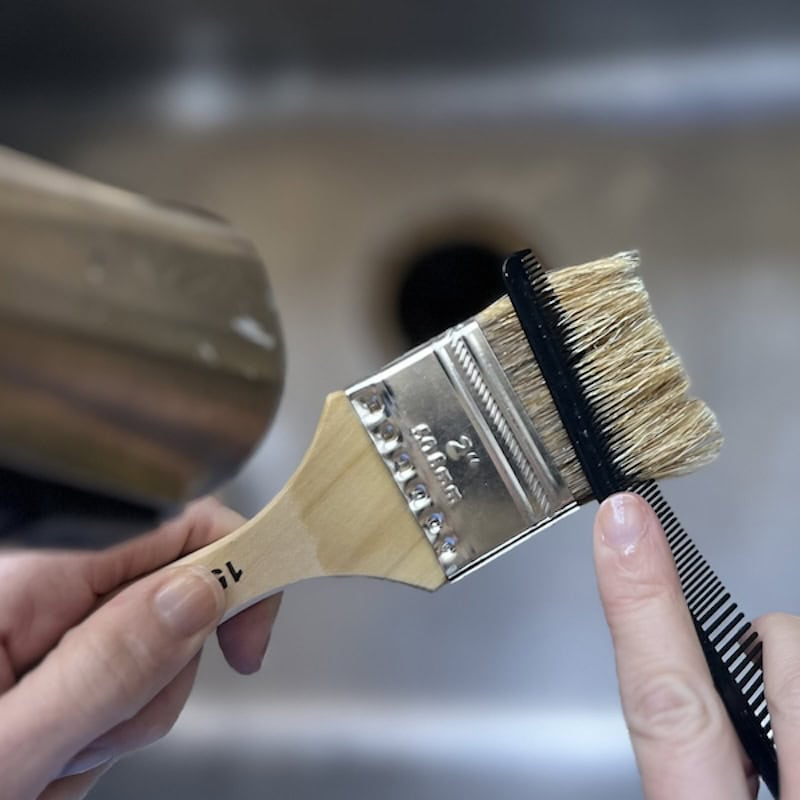
Try a cheap plastic styling comb, if you don’t have a 4 in 1 comb. Start by using the comb where the teeth are further apart. If you use the end where the teeth are very close together you’ll run the risk of snagging the paintbrush and ripping out the bristles.
When I’m really in a rush, I grab these zip top storage bags and throw in the brush and add Krud Kutter brush wash to cover the bristles. And then clean the brush the next day.
Some brushes can’t be saved, especially if paint hardened deep in the base for weeks. But I’ve had a lot of luck with a soak and a little patience.
What I Actually Use to Clean Brushes
Most of the time, I just use warm water, dish soap, and my 4-in-1 comb. It looks unnecessary until you use it once and see how much paint hides where your fingers can’t reach. For dried paint, rubbing alcohol is what I grab first.
How Should You Store Paintbrushes?
Once a brush is clean, I gently squeeze out extra water and reshape the bristles with my fingers. I don’t flick them or mash them flat. I smooth out any bristles that stick out on the sides or top.
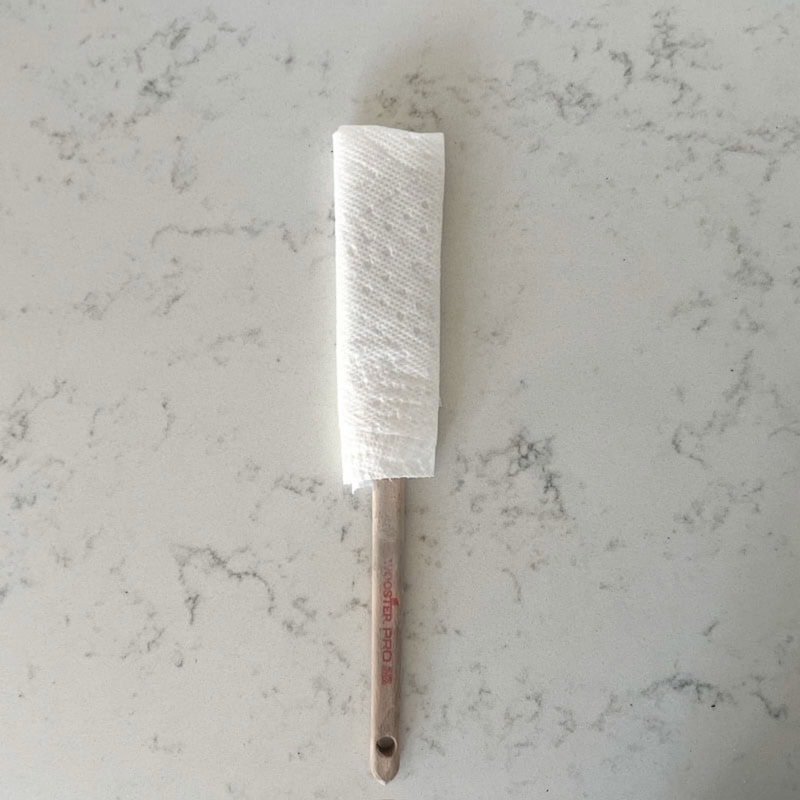
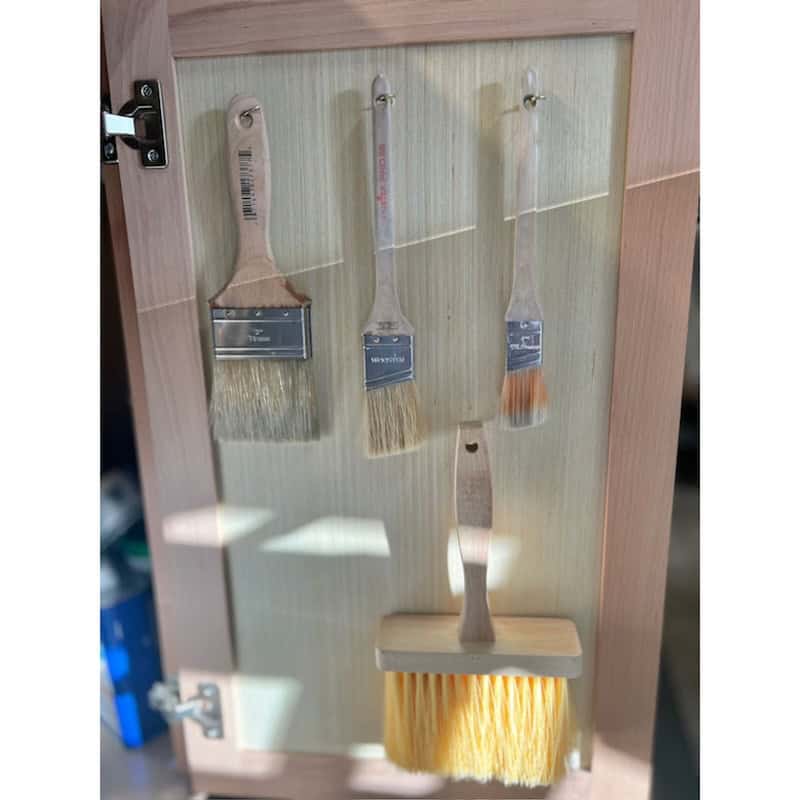
I lay them flat in a paper towel at first to help hold the shape. After that, I hang them on hooks to fully dry. Standing them upright while wet lets water sit in the base, which can loosen glue and make bristles fall out later.
The Simple Truth About Cleaning Paintbrushes
If you clean your paintbrush right away, almost anything works. If you wait until it’s dry, you need help. Rubbing alcohol, patience, and something to work the paint out.
I still mess this up sometimes. But replacing them gets expensive. I’d rather spend five minutes at the sink than another twenty bucks at the store.


Other Posts That Make Painting Easier



Something went wrong. Please refresh the page and/or try again.















Leave a Reply