

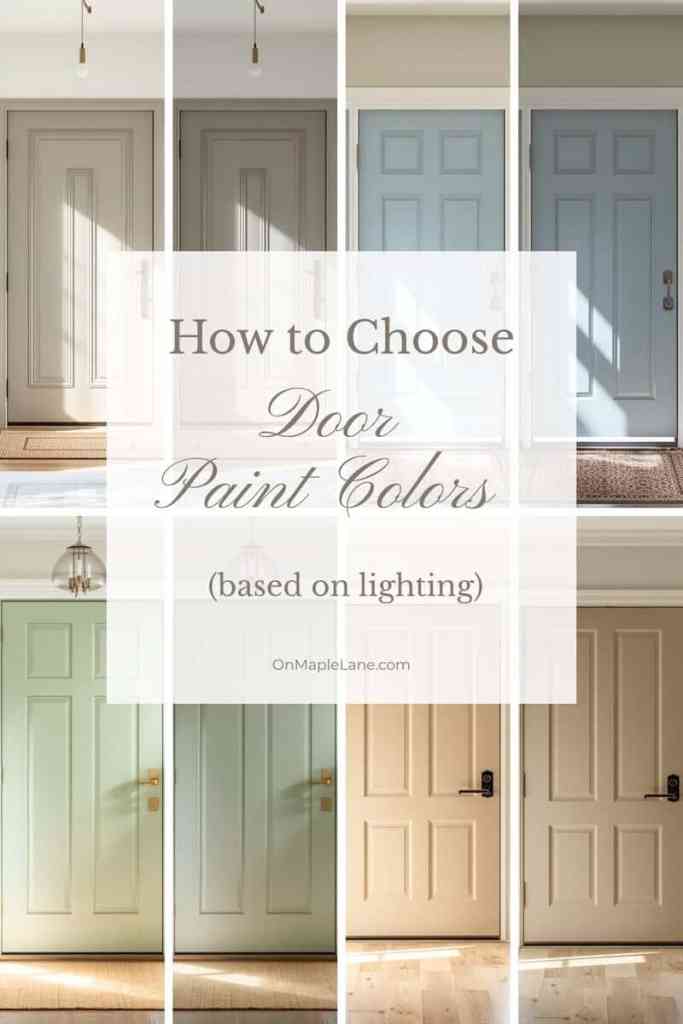
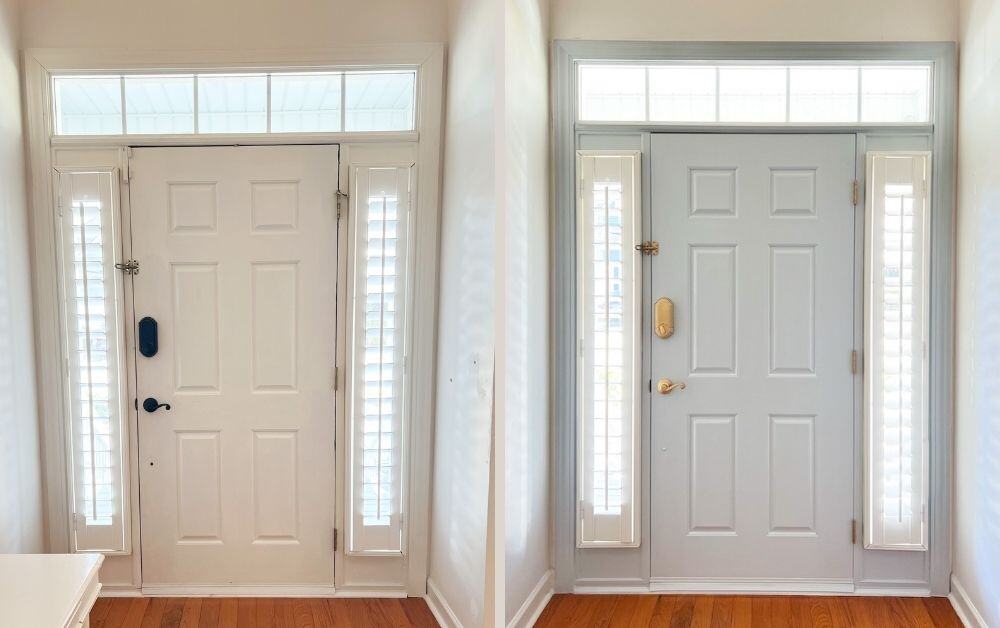
My front door paint color was one of the first things I wanted to change as I started moving away from the builder-grade white throughout my home. White shows every single handprint and smudge, I was sick of constantly pulling out the magic eraser for the littlest smudge. Honestly, any color besides white would be an upgrade
Choosing a door color sounds simple until you actually put paint on it. What looks good on a swatch can look completely different once it’s on your door. Lighting, undertones, and even the trim around it all change how the color reads.
I went back and forth on this more than I expected, and what I ended up choosing was not what I originally planned.
Go straight to
Disclaimer: This page may contain affiliate links. If you click on one of these links and make a purchase, I may receive a small commission at no extra cost to you. I only recommend products and services that I believe will add value to my readers. See our full Affiliate Disclosure at this link.
Why Door Paint Colors Look Different Than You Expect
The biggest mistake is picking a color based on how it looks online or in the store.
Once it’s on your door, a few things change everything:
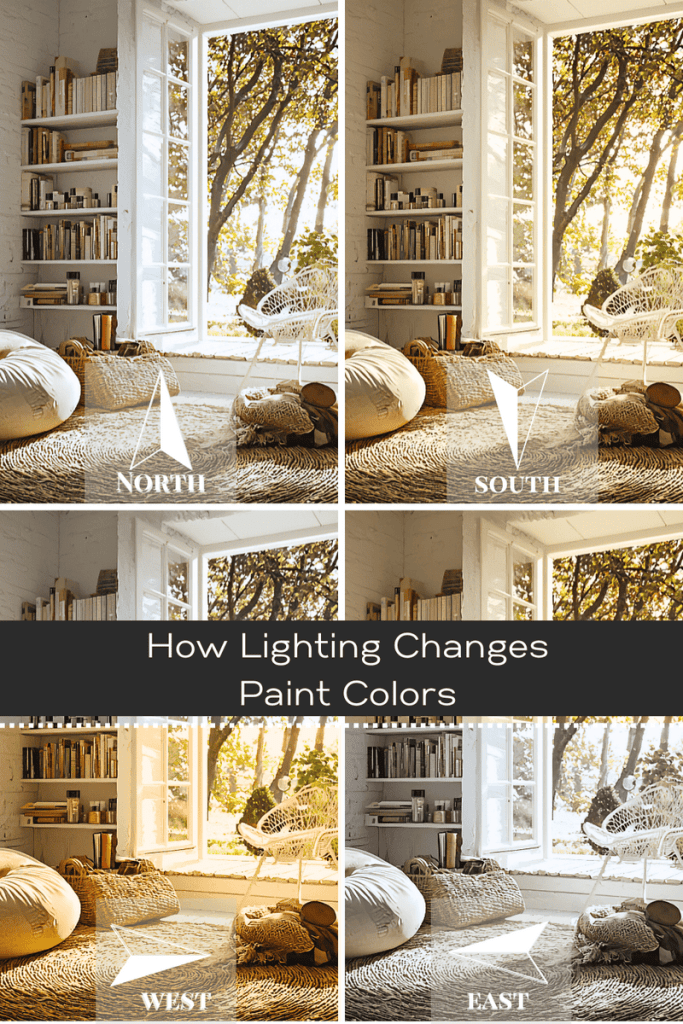
Lighting direction
Natural light shifts color more than you think.
- North-facing spaces tend to pull cooler tones
- South-facing spaces soften colors and make them feel warmer
- East and west-facing light changes throughout the day
Undertones
This is what usually throws people off.
A gray isn’t just gray. It can lean blue, green, or even slightly purple depending on the light.
That’s why a color that looked perfect in the store can suddenly feel completely wrong at home.
White vs Painted Front Doors
This was the biggest decision for me.
When white doors work

White doors look clean and simple, especially if your trim and walls are also light. White paint almost always has an undertone that can be affected by lighting and other colors in the room.
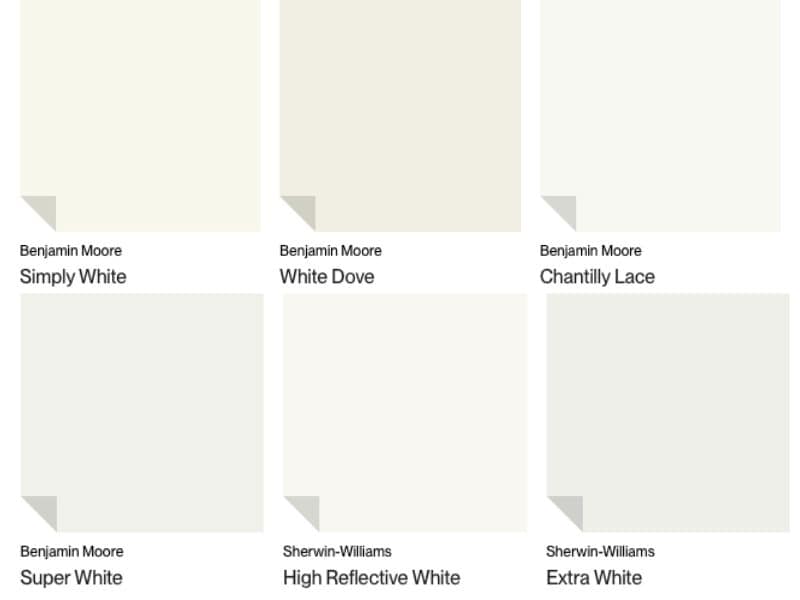
But they also show everything. Scuffs, fingerprints, and everyday wear stand out fast, especially on a front door.
When a painted door works better
A painted door adds contrast and can make the entire entry feel more finished.
It also hides wear a lot better, which matters more than you think in a high-traffic area.
For me, this was the tipping point.
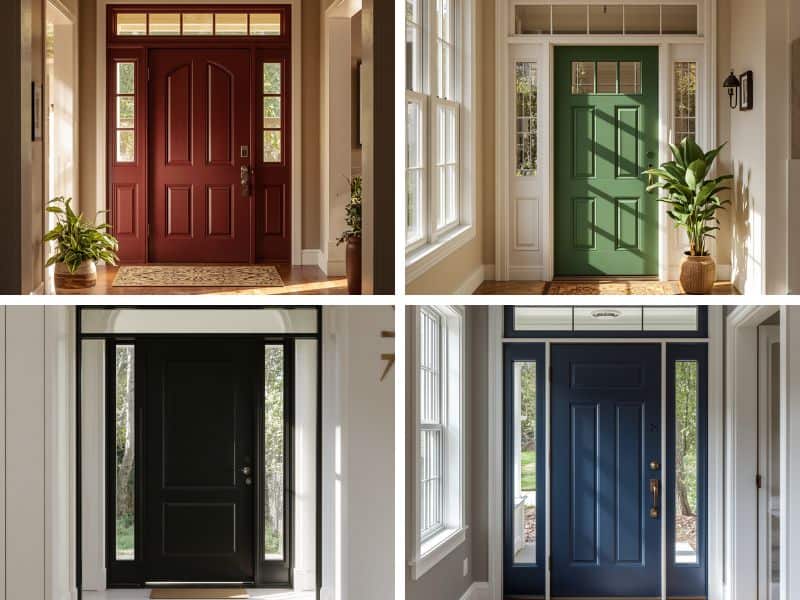
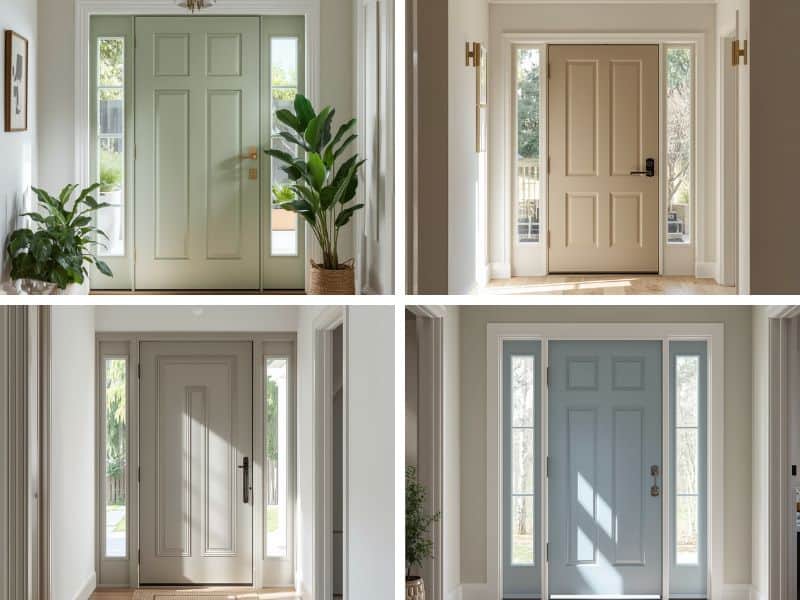





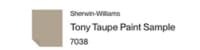


How I Chose My Front Door Paint Color
Inspiration
:max_bytes(150000):strip_icc()/light-blue_front-door_Britt-Design_Studio-1a58111f430a44d48a0904d3d22f7ffe.jpg)


I tested a few options and even mocked them up before committing. Some looked too dark, some pulled the wrong undertone, and some just didn’t work with the rest of the space.


Once I started looking at how the color changed throughout the day, the decision became a lot clearer.
Finding a Door Color That Works with Other Factors
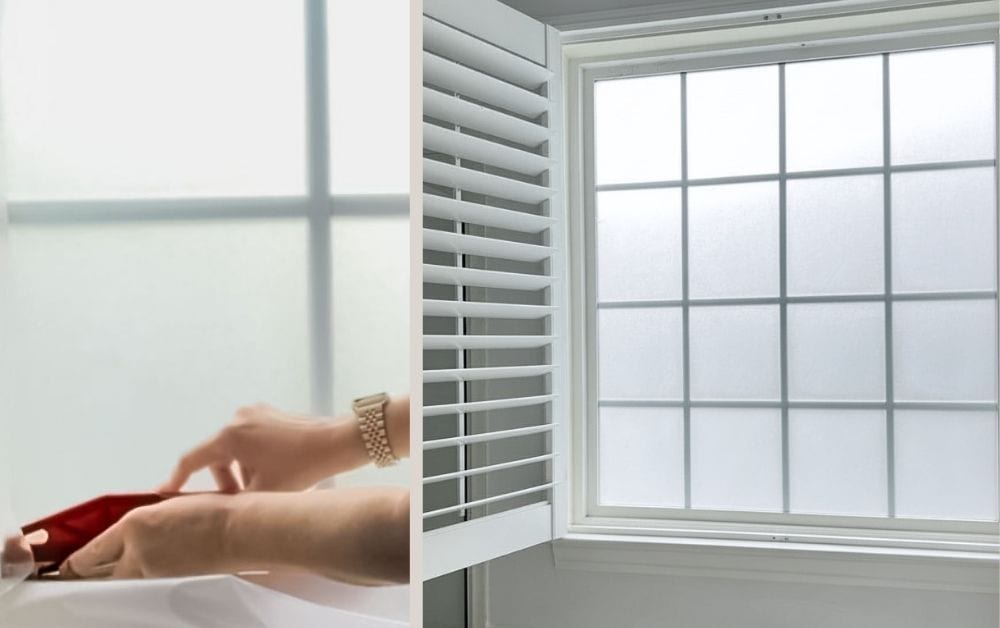
I kept the exterior side of the door black to match my shutters. But inside, I wanted something “not white”. I needed to choose a color that would work with my plantation shutters (that were staying white). So I used canva to mockup the paint color.

Choosing the Right Paint Color
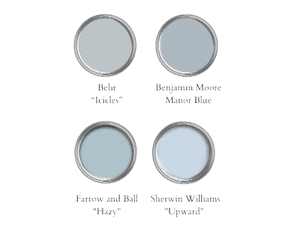
I wanted a color that would add a subtle contrast with the white walls, and I had some other blue details in the room. The options were Behr “Icicles” (similar option Behr “Light Drizzle”) , Benjamin Moore “Manor Blue”, Farrow and Ball “Hazy” (similar option Farrow & Ball Parma Gray) and finally Sherwin Williams “Upward”.
I decided on Sherwin-Williams Upward (SW 6239), a soft blue that changes to a beautiful new color depending on the time of day. I had used Upward in a room with no natural light before, and it looked completely different. It was way more baby nursery blue. Lesson learned: always test colors in different lighting before committing.
How to Test a Door Color Before You Commit
If you take anything from this post, it should be this part.
- Paint a sample directly on the door (or use samplize peel and stick paint samples)
- Check it at different times of day
- Look at it next to your trim, walls, and hardware

What looks good in the morning might look completely different in the afternoon.
Taking the time to test it first saves you from repainting later.
What Made the Biggest Difference
For me, it came down to two things:
Choosing the right door color is less about finding the “perfect” color and more about finding one that works in your space. Once you see it in your lighting, next to your trim and hardware, you’ll know pretty quickly if it’s right.
- Choosing a color with the right undertone
- Seeing how it looked in my actual lighting
Once those lined up, the decision felt easy.
Before You Paint
If you’re ready to move forward, I walk through the full process step-by-step here:
Painting Your Front Door (Without Brush Marks or Sticky Finish)
Painting a door sounds simple—until you end up with brush marks, sticky edges, or paint that chips in a week. I’ve made every mistake you can make on a door… so this is the exact process that actually works (and what I’d skip next time).
And if you’re still deciding on the color:

The Most Popular Behr Paint Colors
Choosing paint isn’t just about the color you like. It’s about how it reacts to light, undertones, and your space. This guide breaks down popular Behr paint colors and explains why they actually work in real homes.
My best painting tips:
And when you’re ready for hardware:

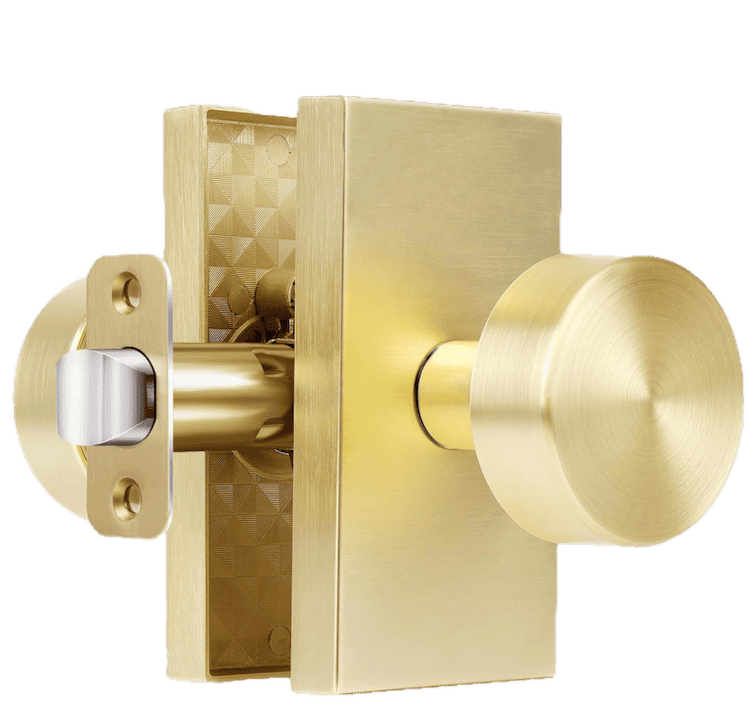
How to Choose Door Hardware
Not sure which knobs, levers, or finishes to choose? This simple guide breaks down door hardware types, finishes, function, sizing, and easy DIY tips so you get it right the first time.

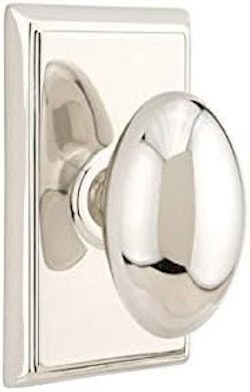
Dupes for Interior Door Knobs, Levers and Handles
Updating your interior door knobs and levers is one of the easiest ways to update your home without a full renovation.
Latest Projects
Check Out My Latest Home Makeovers and DIY Transformations
More Ideas
If you’ve got more time for home improvement ideas check out these projects.


Something went wrong. Please refresh the page and/or try again.













Leave a Reply