

From cozy Craftsman bungalows and classic Colonials to sleek modern cubes and charming Victorians, this guide walks you through the most common exterior home styles and what makes each one unique.
There are so many different exterior home styles, and sometimes it’s hard to know exactly what style your house falls under. Is it Colonial, Craftsman, Farmhouse, Traditional, or something else entirely?
The good news is that you don’t need to be an architecture expert to figure it out. Once you know what to look for, like rooflines, windows, siding, porches, and other architectural details, it becomes much easier to recognize the style of a home.
In this guide, I’m rounding up some of the most common exterior home styles, along with the features that make each one unique. Whether you’re trying to identify your own home’s style, looking for inspiration, or planning an exterior update, this is a great place to start.
Types of Exterior Home Styles
Every home has its own architectural style, even before you add any furniture or decor. The roofline, materials, windows, proportions, and architectural details all help define the look and character of a home.

Interior Design Style Quiz
Struggling with decor choices? Do you lean towards traditional, modern, or transitional design? Take this interior design style quiz
Check out this quiz to help you determine whether their style leans towards traditional, transitional, or modern.
Common Exterior Home Styles
(and How to Spot Them)
Craftsman

Craftsman homes are known for their simple, sturdy design and attention to natural materials and handcrafted details. They often have a welcoming front porch and a strong connection to the surrounding landscape.
Common features:
- Low-pitched roofs with wide overhanging eaves
- Large covered front porches
- Tapered columns, often sitting on stone or brick bases
- Exposed rafters and decorative brackets
- Wood, stone, and brick exterior materials
Colonial

Colonial homes are known for their symmetry and traditional design. The front door is usually centered on the façade, with evenly spaced windows on either side.
Common features:
- Symmetrical exterior
- Centered front door
- Evenly spaced windows
- Steeply pitched roof
- Brick, wood, or traditional siding
- Shutters are common
Ranch

Ranch homes became popular for their simple, practical layouts and single-story design. They typically have a long, low profile and a more casual appearance.
Common features:
- Single-story layout
- Long, low roofline
- Wide footprint
- Large windows
- Attached garage is common
- Brick, wood, or siding exteriors
Modern and Contemporary
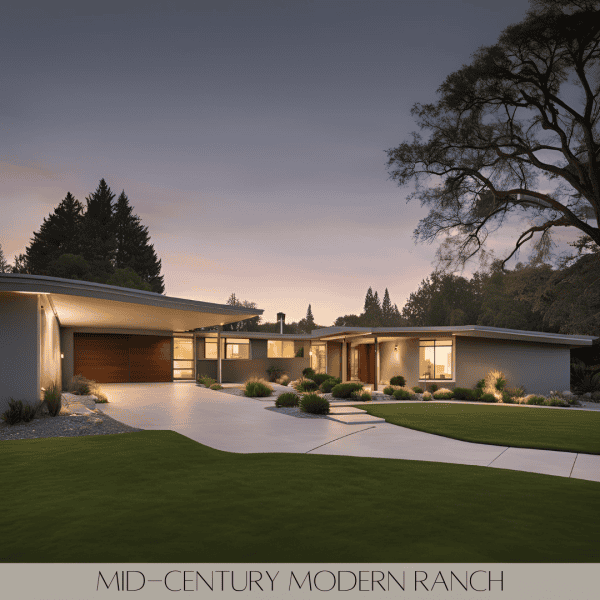
Modern and contemporary homes focus on clean lines, simple forms, and minimal ornamentation. While the terms are often used interchangeably, modern typically refers to a specific design movement, while contemporary describes current design trends.
Common features:
- Flat or low-pitched roofs
- Large windows
- Clean, simple lines
- Minimal decorative details
- A mix of materials such as wood, metal, concrete, and glass
Victorian

Victorian homes are known for their ornate details, intricate trim, and distinctive architectural features. They often have a more decorative and dramatic appearance than other traditional home styles.
Common features:
- Steeply pitched roofs
- Decorative trim and millwork
- Turrets, towers, or elaborate gables
- Tall, narrow windows
- Porches with detailed railings and trim
- Bold or contrasting exterior colors
Traditional Style Exteriors
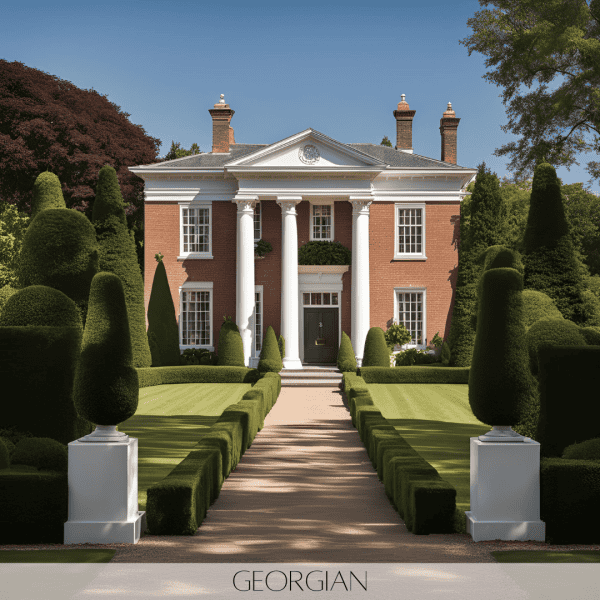 Georgian: Known for its elegance and symmetry, Georgian style includes classic architecture, formal furnishings, and a refined color palette, often with detailed moldings and cornices.
 This style emerged after the American Revolution, showcasing Neoclassical influences with clean lines, elegant proportions, and decorative elements like inlay and brass fittings.
 Regency: Known for its opulence, Regency style features bold colors, luxurious materials, and decorative motifs inspired by ancient Greece and Rome
 Traditional French: Combining elegance with rustic charm, this style often includes antique furniture, soft color palettes, and floral patterns, reflecting a warm and inviting atmosphere.
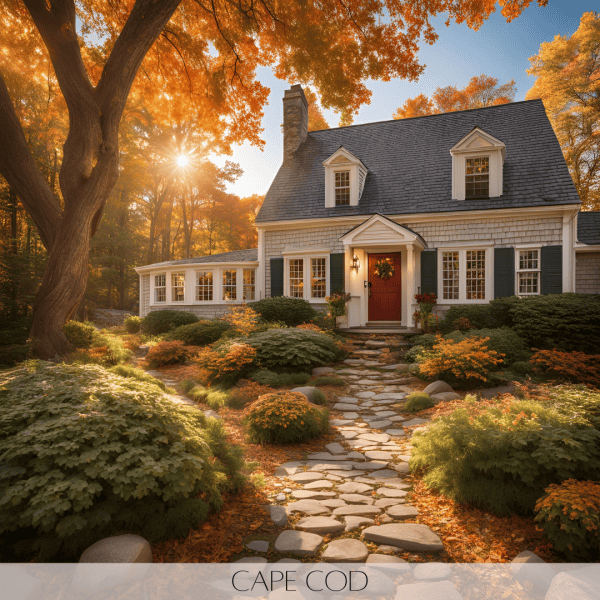 Cape Cod: Inspired by the coastal homes of New England, Cape Cod style combines simple lines, natural materials, and classic nautical colors, creating a warm and welcoming atmosphere.
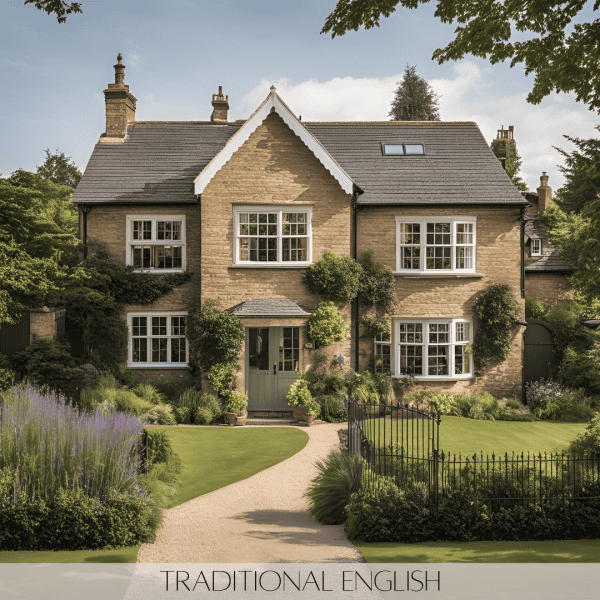 Traditional English: This style emphasizes comfort and coziness, with rich fabrics, floral patterns, and classic furniture pieces, often evoking a sense of tradition and heritage.
- Victorian: Characterized by ornate details, rich fabrics, and dark wood, Victorian style reflects the grandeur of the 19th century with intricate patterns and luxurious accents.
- Craftsman: While it incorporates traditional elements, Craftsman style focuses on handcrafted details, exposed beams, and built-in furniture, emphasizing natural materials and craftsmanship.
 American Traditional: A broad category that encompasses various traditional influences, this style often features classic furnishings, warm colors, and an overall sense of comfort and familiarity.
- Colonial: Inspired by the early American colonies, this style features symmetrical designs, classic furnishings, and a mix of European influences.
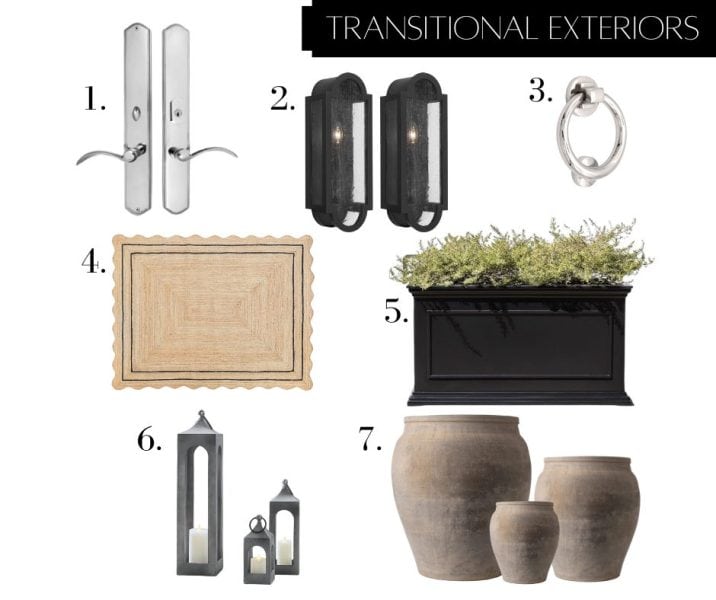
Transitional Style Exteriors
 Colonial Revival: These homes take the symmetry and charm of Colonial architecture and mix in modern updates like sleeker lines, simpler trim, and more neutral color palettes, creating a perfect blend of old and new.
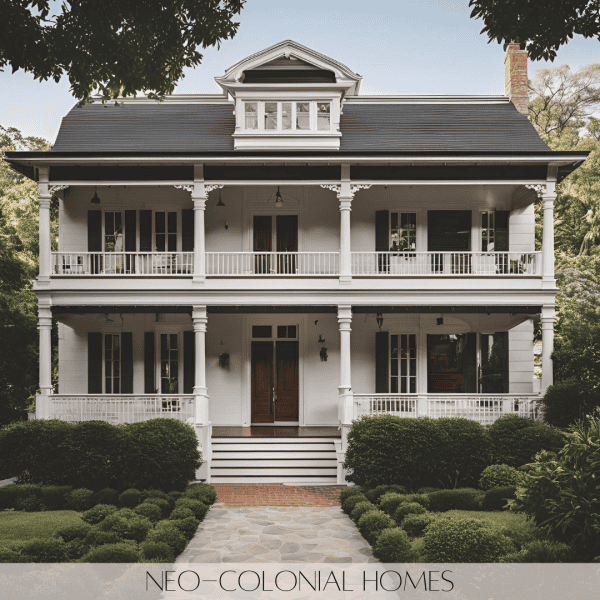 Neo-Colonial Homes: Neo-Colonial homes take inspiration from traditional Colonial designs but add contemporary twists such as updated windows, less ornate trims, and simplified layouts that favor open-concept living.
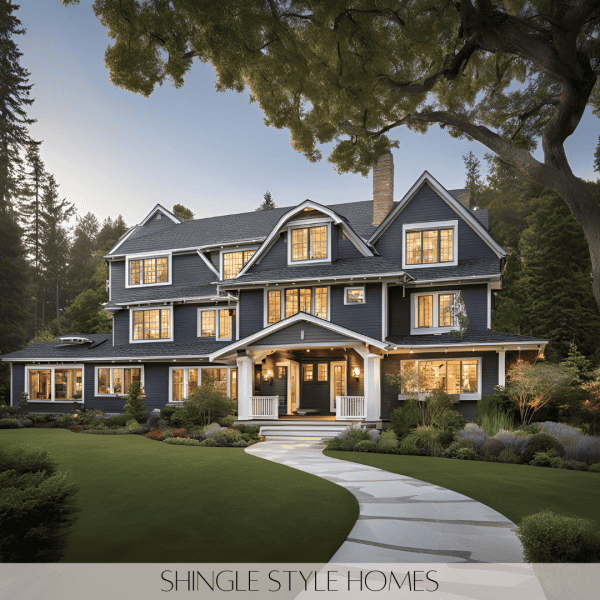 Shingle Style Homes: These homes often feature the charm of traditional architecture but blend seamlessly with modern updates. A transitional shingle style home might maintain its iconic cedar exterior but have a more contemporary, minimal interior layout.
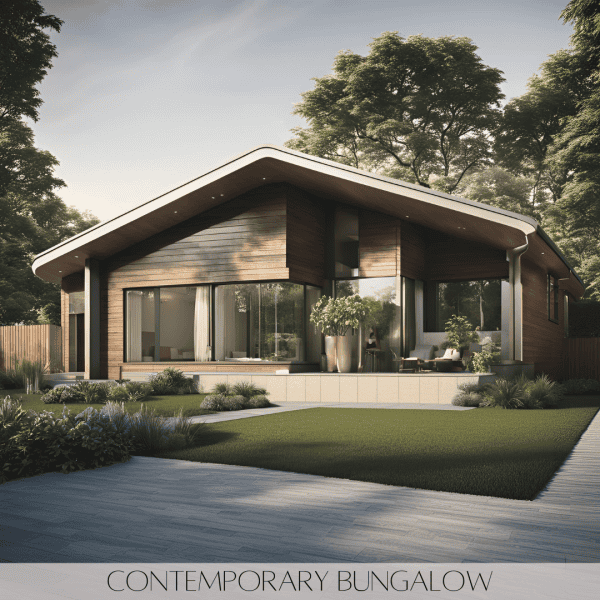 Contemporary Bungalow: While traditional bungalows are compact and cozy, a transitional-style bungalow incorporates modern upgrades, like larger windows, open-concept interiors, and clean, minimalist designs, while maintaining traditional architectural details.
 Townhouses: Transitional design fits well in townhouses where contemporary interiors are paired with more traditional exteriors, especially in older urban areas. Inside, modern finishes and streamlined furniture balance with the often historical character of the buildings.
 Split-Level Homes: Popular in the mid-20th century, split-level homes feature staggered levels that separate living areas from bedrooms. Transitional designs often update these homes with more open spaces and modernized interior finishes.
- Mid-Century Modern Ranch: This hybrid design includes clean lines and a simple structure from mid-century modern styles, but with transitional elements like traditional furnishings or neutral color schemes that soften the look.
- Single-story homes with open floor plans, large windows, and a mix of traditional and modern elements. Ranch homes often feature clean lines with cozy interiors that are perfect for transitional design.
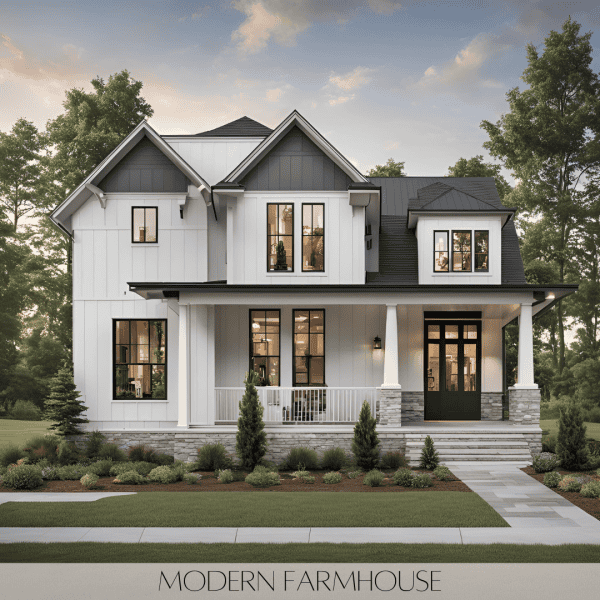 Modern Farmhouse: A more updated version of the classic farmhouse, modern farmhouse-style homes mix rustic features like exposed beams and shiplap with sleek, contemporary finishes and open layouts.
- American Traditional: A broad category that encompasses various traditional influences, this style often features classic furnishings, warm colors, and an overall sense of comfort and familiarity.
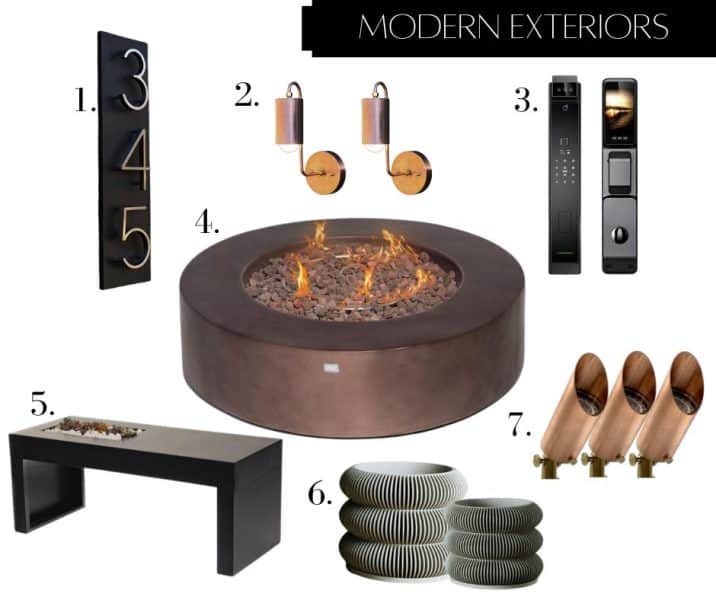
Modern Style Exteriors
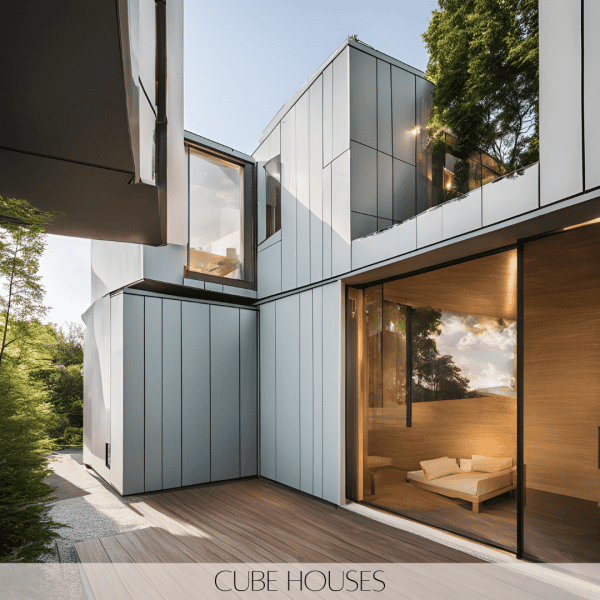
 Cube Houses: These homes have a distinctly modern geometric form, usually in the shape of a cube. Their clean lines, flat roofs, and minimalist interiors are characteristic of modern architecture, offering a simple yet striking visual appeal.
- Urban Loft-Style Homes: Often converted from industrial spaces, urban lofts feature exposed brick, high ceilings, and open layouts. These homes blend modern design elements like metal, glass, and wood, creating a raw, minimalist aesthetic
- Shed-Style Homes: Shed-style homes have asymmetric roofs that slope in a single direction, offering a distinctive modern look. The clean, geometric lines and large windows are typical of modern design, emphasizing openness and natural light.
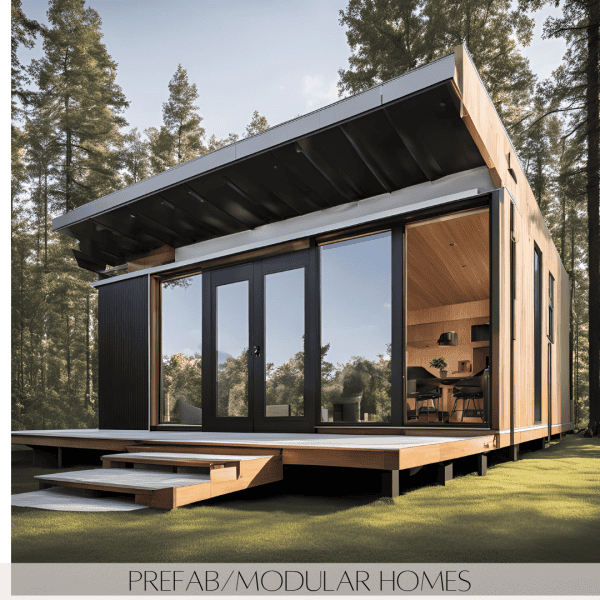
- Prefab/Modular Homes: Prefab or modular homes are factory-built and then assembled on-site, offering a sustainable and often cost-effective approach to home building. Modern prefab homes focus on clean, minimalist designs, using eco-friendly materials and open layouts.
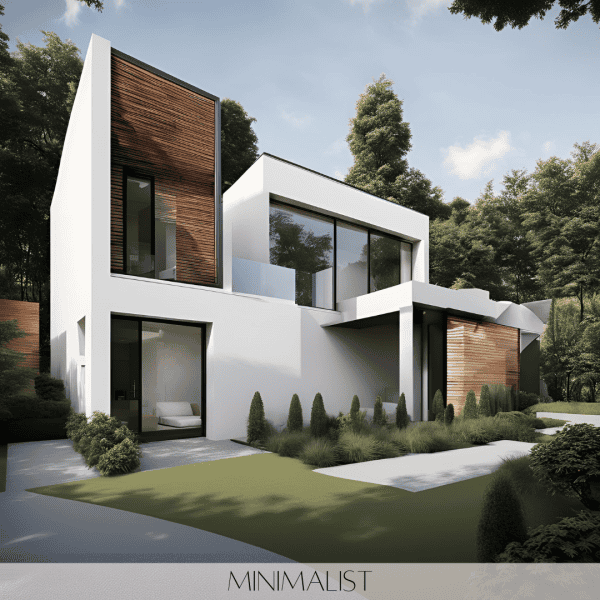
- Minimalist Homes:As the name suggests, minimalist homes focus on simplicity and decluttering, with an emphasis on open spaces, neutral color schemes, and functional furnishings. The architecture itself is straightforward, often with smooth surfaces and a lack of decorative elements
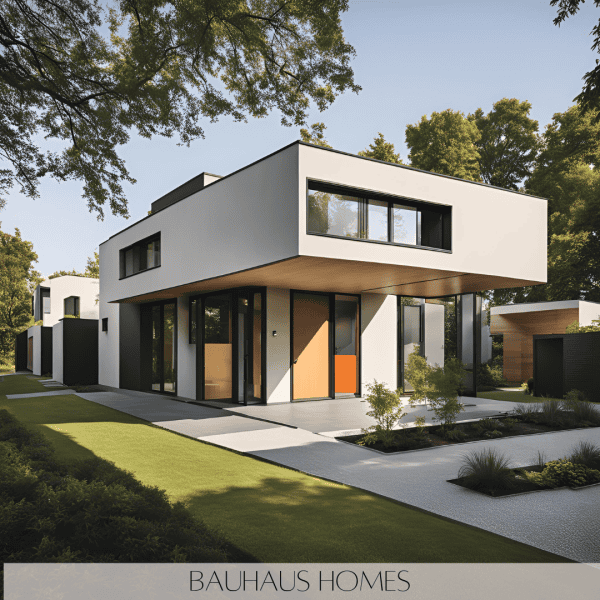
- Bauhaus Homes: Originating from the Bauhaus movement, these homes prioritize functionality and geometric forms. The design often features flat roofs, cubic shapes, and a neutral color palette, focusing on the structure and utility of the space.
- Mid-Century Modern Ranch: This hybrid design includes clean lines and a simple structure from mid-century modern styles, but with transitional elements like traditional furnishings or neutral color schemes that soften the look.


What If Your Home Is a Mix of Styles?
EXTERIOR HOME STYLES
Most homes don’t fit perfectly into one architectural style, and that’s completely normal. Over the years, homeowners and builders add, remove, and update features, so it’s common to see a combination of styles.
If you’re trying to figure out which style best describes your home, start with the features that are hardest to change:
- The overall shape and roofline
- The original exterior materials
- The windows, doors, porch, and other architectural details
Look at the home as a whole rather than focusing on one feature. A few modern windows or a new front door don’t necessarily change the architectural style of the entire house.
FAQ: Why Is It So Hard to Figure Out My Home’s Style?
EXTERIOR HOME STYLES
That’s normal. Many homes are a combination of styles, especially newer homes. Look for the style that best describes the overall architecture rather than trying to match every single detail.
If your home wasn’t built in the early 1900s, it’s probably Craftsman-inspired. A home doesn’t have to be historic to have Craftsman architecture. Newer homes can incorporate many of the same features, including low-pitched roofs, wide porches, tapered columns, and natural materials.
Start with the basics: the shape of the house, roofline, exterior materials, windows, doors, porch, and other architectural details. These features will tell you much more than a real estate listing..
Focusing on one feature. Shutters don’t automatically make a house Colonial, and black windows don’t automatically make it modern. Look at the overall architecture and how all of the elements work together.
Finding Your Home’s Style
EXTERIOR HOME STYLES
Figuring out your home’s architectural style doesn’t have to be complicated. Start with the roofline, shape, materials, and details, then look at how they work together.
And if your home is a mix of styles, that’s okay too. Most homes are. You don’t need to put your house into one perfect category to appreciate what makes it unique.
Hopefully this guide gave you a better idea of the different exterior home styles and helped you spot a few familiar details on your own home.

Design Inspiration
More mood boards and planning ideas for room layouts, color palettes, and creative details.
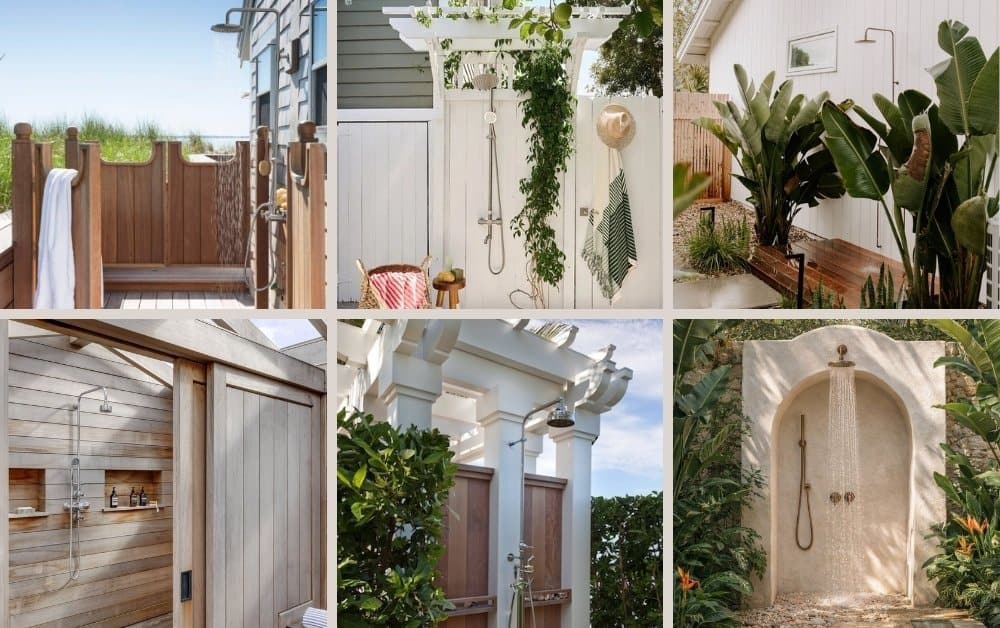
12 Outdoor Shower Ideas to Inspire Your Backyard
Real-life ideas from mediterranean-insipred retreats to a simple classic fixture mounted to an exterior wall. Plus tips on privacy, drainage, storage and budget.

Types of Brass Finishes (And Why They Don’t Always Match)
Learn the different types of brass finishes, including brushed, satin, and polished brass, and why “brushed gold” fixtures often don’t match. See real side-by-side comparisons and what to look for before choosing hardware or faucets.

Spring Table: Styles and Decorating
Simple spring table styling ideas using dinnerware, linens, and easy centerpieces. Perfect for brunch, Easter, Passover, or everyday meals at home.

Ideas for Your Next Bathroom Remodel
Bathroom remodel ideas inspired by a full primary bathroom renovation, including tile details, shower benches, vanity styles, and classic finishes that feel timeless and practical.

Vintage-Inspired Big Boy Bedroom : Mood Board
A vintage-inspired big boy bedroom with classic furniture, warm wood tones, and thoughtful details. Designed to grow with him.
Something went wrong. Please refresh the page and/or try again.















Leave a Reply