


Door hardware is one of those details you don’t think about—until you suddenly want to change every knob in your house.
Between knobs, levers, finishes, backplates, bore size, choosing door hardware can get confusing fast. This guide breaks it down in plain English so you can pick the right hardware the first time—without overthinking it or buying the wrong thing.
How to Choose Interior Door Knobs & Levers (A Simple Buyer’s Guide)
The Easiest Upgrade You’re Probably Ignoring
You might not notice your door handles every day, but trust me—it makes a difference. Door hardware isn’t just about opening and closing doors—it’s about function and style.
It’s one of the fastest upgrades you can make without painting, remodeling, or spending a ton of money.
If your space feels “almost done,” there’s a good chance your hardware is part of the problem.
Door Knobs vs. Levers: How to choose?
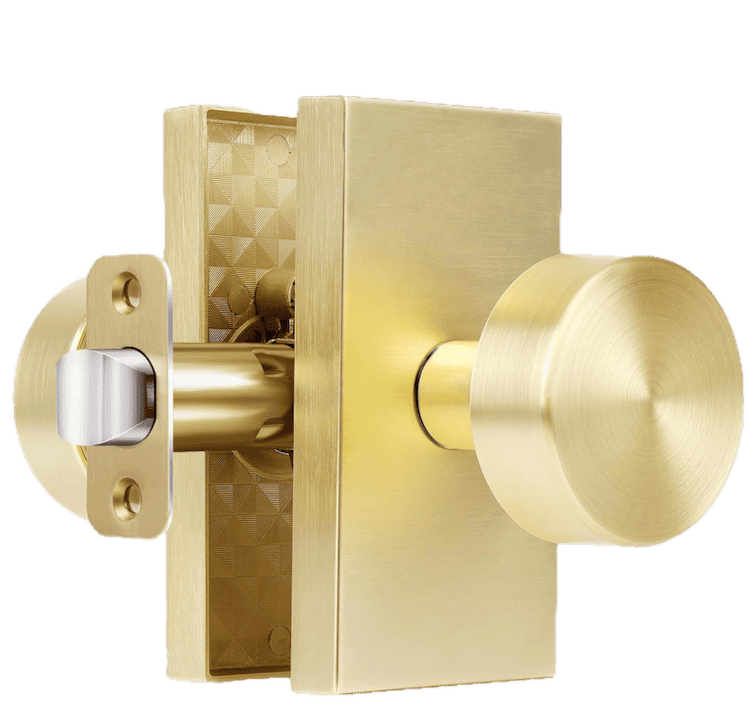
Most modern doors are drilled to standard sizes, so knobs and levers are usually interchangeable. The set you buy comes with the latch and parts you need—you’re mainly choosing based on look and how it feels to use.
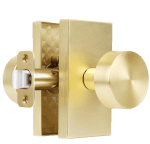
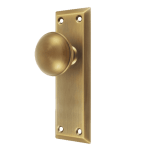
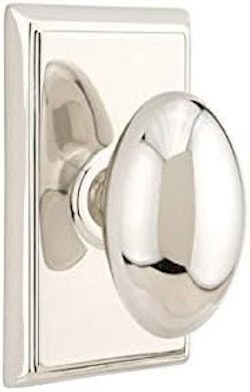
Knobs
- Classic and traditional
- Work well in vintage or traditional homes
- Can be harder to grip for kids or older adults

Shop these and more door knobs, handles and levers here →
Levers
- More modern and clean
- Easier to use—just push down
- Better for accessibility
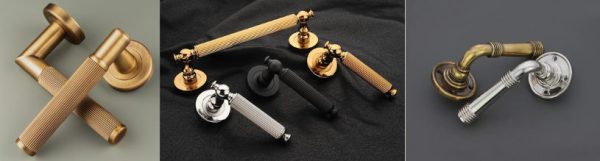
Shop these and more door knobs, handles and levers here →
If your style leans traditional, knobs usually fit better. If you want something more modern or easier to use, go with levers.
Privacy, Passage, and Dummy: What Those Words Mean?
These labels confuse everyone at first.
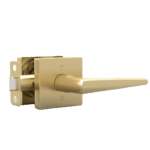
- Privacy: Locks from the inside. Use for bathrooms and bedrooms.
- Passage: No lock—just opens and closes. Use for hallways and closets.
- Dummy: Doesn’t turn at all. Used on decorative doors or double doors where one side is fixed.
If a door needs to lock, it’s privacy.
If it doesn’t, it’s passage.
If it never opens, it’s dummy.
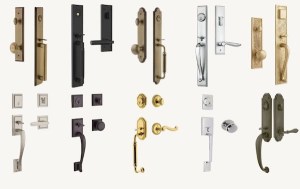
Handlesets
Exterior Door Hardware
A handleset combines a long decorative handle on the outside with a deadbolt and a matching interior knob or lever.
If a door needs to lock from the outside with a key, you’re looking for a keyed entry set or handleset—not standard interior hardware.
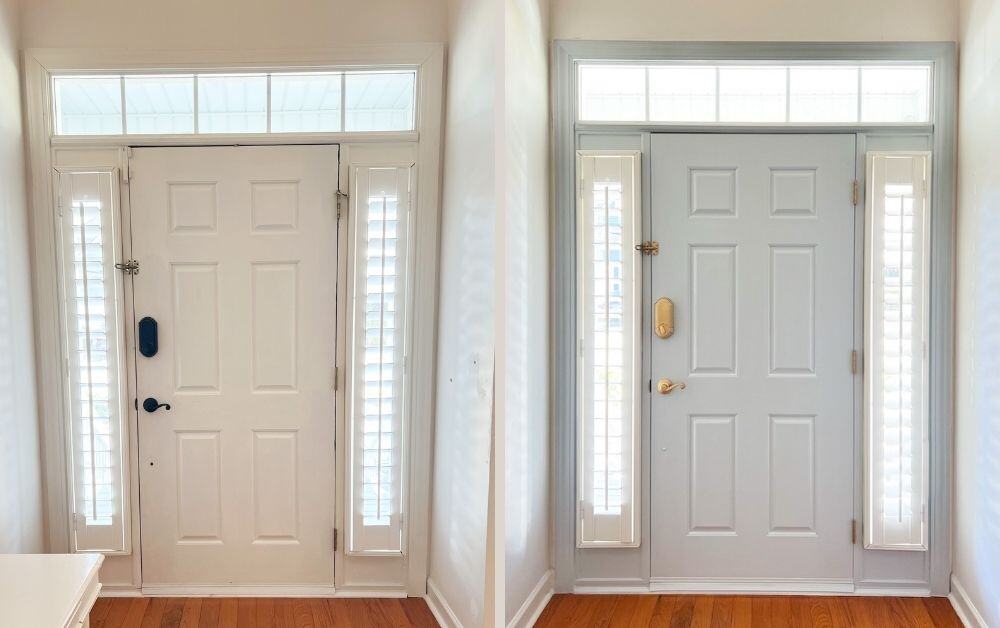
Brass, Black, or Nickel: Which Finish Should You Choose?
What Finish Needs the Least Maintenance?
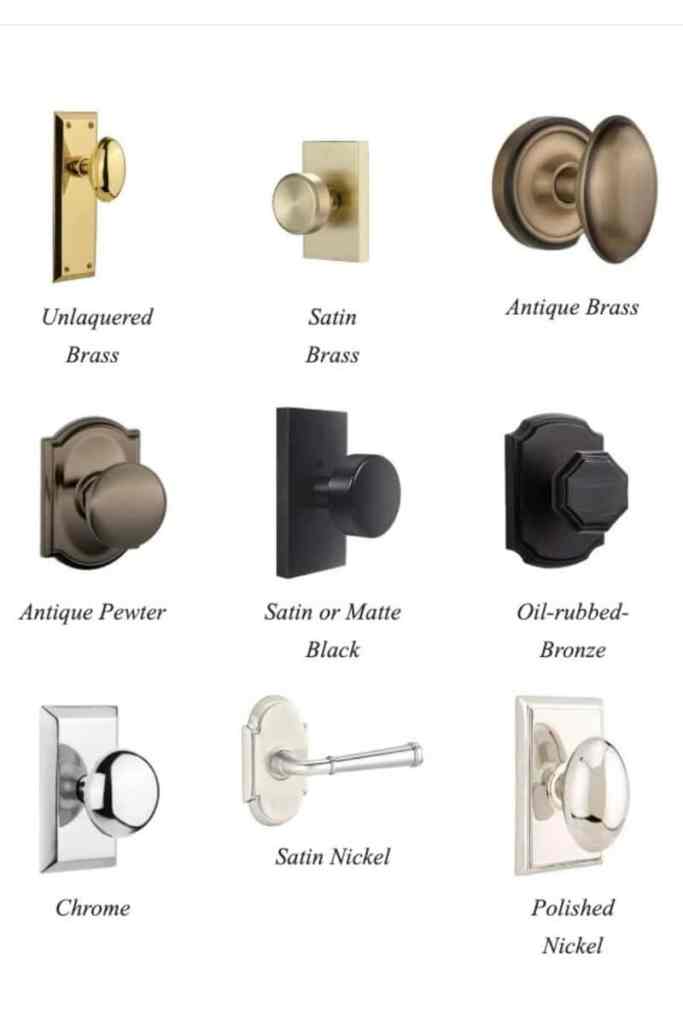
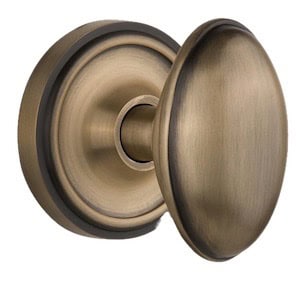
Unlacquered brass means the brass is left unsealed, so it will naturally darken and patina over time. I love this lived-in, old-world look—just know it will change color and show wear instead of staying shiny.
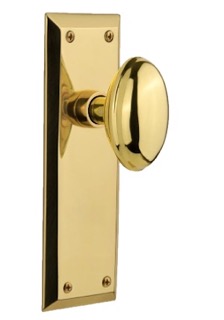



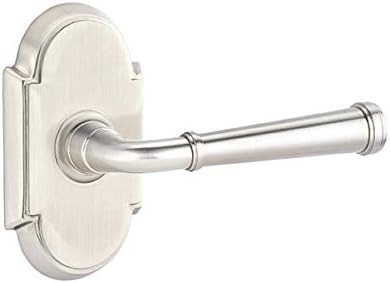
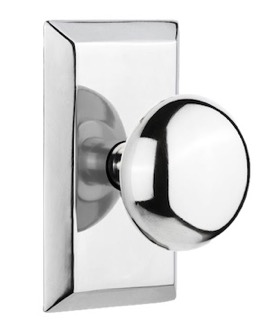
Popular Finishes
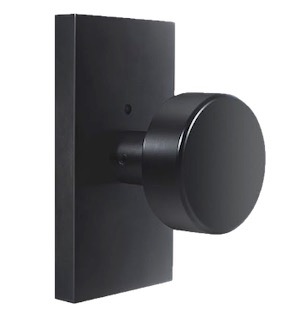
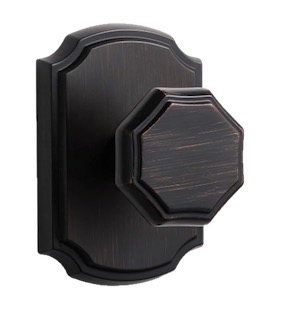
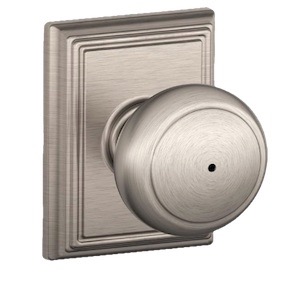
Finish is where style meets real life.
If you don’t want to constantly wipe fingerprints, go satin or brushed.
Parts of a Door Handle
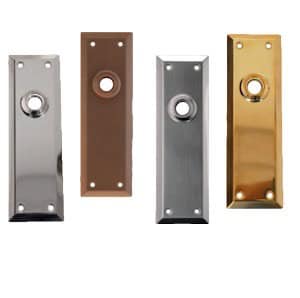
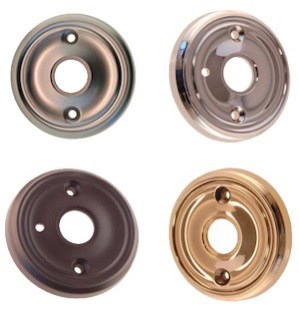
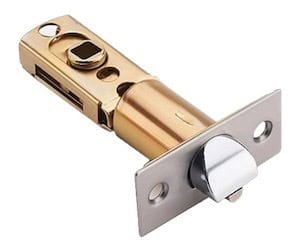

Installation & DIY Tips
What to Measure Before You Buy
Before you order anything, check:
Most modern sets adjust to standard sizes, but older homes can be weird—measure anyway.
- Measure before you buy! Not all door holes are the same size, and nothing’s worse than ordering the wrong thing.
- Upgrading to smart locks? Double-check compatibility before installing.
- Have the right tools. A screwdriver is usually all you need, but a drill might come in handy.
- Follow instructions. Seriously, don’t skip this step—misaligned door hardware is VERY frustrating to fix.

FAQ: Choosing the Right Door Knobs or Levers
Yes. Most installs take under 10 minutes with basic tools. a DEWALT Door Lock Installation Kit or Milescraft Door Hinge Installation Jig can be a game-changer!
Most handymen charge about $75–$175 for a simple swap, with higher costs if new holes or major adjustments are needed.
It’s usually held by a hidden release button, set screw, or a clipped-on cover plate that needs to be popped off to access the screws.
It depends! High-end brands often use solid brass components, which add weight and durability. Cheaper options might have hollow or zinc parts, making them feel lighter and less sturdy. If you want a long-lasting, high-quality feel, investing in solid metal hardware can make a big difference.
Love the look of high-end design but not the price tag?
My Designer Dupe series rounds up budget-friendly finds that mimic the style of luxury furniture, lighting, and décor. From Serena & Lily–inspired pieces to Pottery Barn lookalikes, these posts show you how to get the designer aesthetic you love for a fraction of the cost—without sacrificing style.
















Leave a Reply