CABINET HARDWARE
Discover the ultimate step-by-step guide to choosing and installing cabinet hardware for your home. My tips on selecting the best cabinet knobs, pulls, and handles, including placement and installation techniques for a professional look. Perfect for anyone planning a kitchen or bathroom renovation.
Table of contents
Choosing Cabinet Hardware
Installing cabinet hardware might seem like a small detail, but it can completely transform the look and functionality of your space. Whether you’re replacing outdated knobs, upgrading drawer pulls, or choosing the perfect handles for a brand-new kitchen, getting the measurements right is crucial. In this guide, we’ll walk you through everything you need to know about cabinet hardware installation, from measuring and selecting the right size to tips for achieving a professional finish. Plus, we’ve included a handy FAQ section to answer common questions and make the process even easier. Let’s get started!
Here’s an overview of the different types of cabinet hardware available:
Knobs
Knobs are small, often round, pieces of hardware used on cabinet doors and drawers. Standard cabinet knobs usually range from 1 to 1.5 inches in diameter. For larger cabinet doors or wide drawers, you can opt for slightly larger knobs, around 1.5 to 2 inches to make them more proportional and functional.
STYLES

- Round Knobs: Classic and versatile, round knobs are the most Traditional option and can fit into almost any style of decor. They can also be Transitional with a simple backplate, which is the decorative element behind the knob.
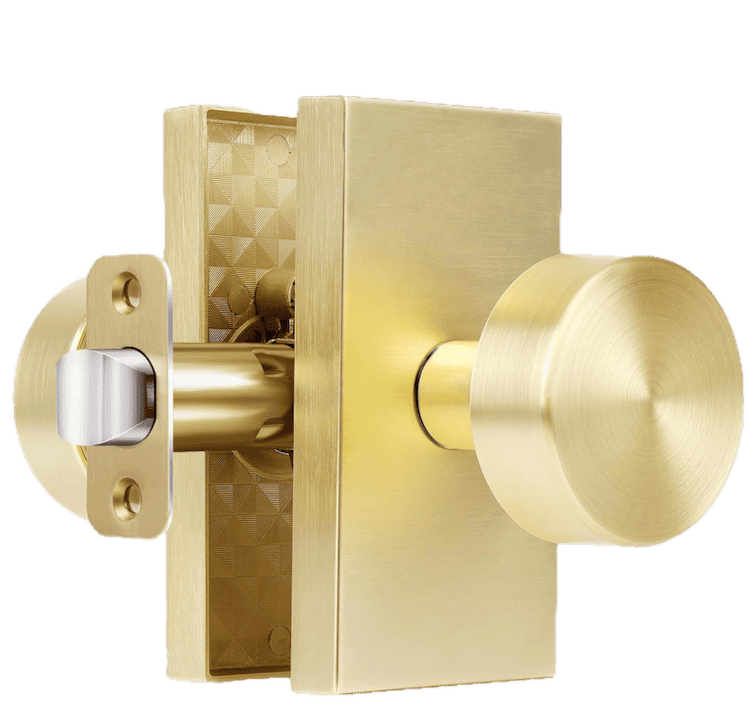
- Square/Rectangular Knobs: Modern and contemporary, square knobs offer clean lines and a more geometric look. They add a sleek feel to modern and minimalist spaces.
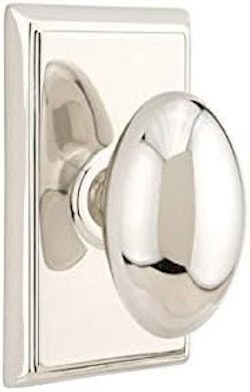
- Oval Knobs: A mix between round and square, oval knobs offer a soft, streamlined look. Perfect forTransitional designs, as they balance between Traditional/Modern.
- Barrel or Cylinder Knobs: These are cylindrical in shape and provide a more unique, industrial or Modern look. They often complement modern and contemporary cabinetry styles.
- T-Knobs: Are a cross between a knob and a pull, often used for a minimalist, Modern style. They are functional for those who prefer the ergonomics of a pull but the simplicity of a knob.
PLACEMENT

Smaller Drawers (under 24 inches wide): Knobs are usually centered on the drawer front, both horizontally and vertically.
Larger Drawers: For larger (24+ inches wide), consider using two knobs, spaced evenly on each side of the drawer. Measure equal distances from the edges to center the knobs on both sides, which helps with both balance and functionality.
Upper Cabinets: 2 to 3 inches from the bottom corner of the door, usually centered vertically on the stile (the vertical part of the cabinet frame).
Lower Cabinets: 2 to 3 inches from the upper corner, also centered vertically on the stile.
- For modern or sleek looks, knobs can also be placed centered vertically along the edge of the frame, instead of in the corner.
- For a traditional style, placing knobs on the stile (the vertical part of the door frame), about halfway between the top and bottom, can add charm and symmetry.
Bar Pulls
A popular choice for modern or contemporary spaces due to their sleek look. Pulls are more functional for larger drawers and are great for achieving a clean, modern look. Bar pulls are long, cylindrical handles, often minimalist in design. Typically made of metals like stainless steel, chrome, or matte black finishes.
STYLE

- Traditional: Look for curved, detailed pulls in finishes like antique or unlacquered brass, pewter, or iron. These add character to ornate cabinetry.
- Transitional: Opt for pulls with a gentle curve or subtle detailing in finishes like brushed nickel or brass.
- Modern: Choose long, sleek bar pulls with simple, clean lines. Popular finishes include stainless steel, matte black, or chrome. The longer the bar pull, the more dramatic the effect. Matte black, oil-rubbed bronze, or stainless steel bar pulls give cabinets an industrial flair.
PLACEMENT AND SIZE

Usually centered, but can be offset for more modern styles. Used on both drawers and doors; available in various lengths to suit small to large drawers. For larger drawers, using longer bar pulls ensures balance for the drawer slide to operate smoothly. While for small drawers, a short, centered bar pull looks clean.
- Small Drawers (12 inches wide or less): Use pulls that are 3 to 4 inches long.
- Medium Drawers (12 to 30 inches wide): Opt for pulls that are 4 to 7 inches long.
- Large Drawers (over 30 inches wide): Choose pulls that are 7 to 12 inches long. Alternatively, for very wide drawers, you can use two smaller pulls spaced evenly.
Cup or Bin Pulls
These pulls have a classic half-moon or “cup” shape, designed for fingers to pull from underneath. Usually made of metals like brass, copper, or iron.
STYLE

- Traditional: A traditional bin cup is characterized by its intricate details and classic shapes, typically featuring finishes like antique brass or brushed nickel. These pulls convey a sense of nostalgia and craftsmanship, bringing timeless elegance to cabinetry. Go for stately and classic styles. Look for unique aged finishes like antique brass or copper add charm to vintage-inspired kitchens.
- Transitional: a smooth, rounded shape with a slightly curved front and a simple, understated design that lacks ornate embellishments. It often has a brushed nickel or matte black finish to give it a modern touch while still retaining a classic feel. The edges are typically soft, and the overall look is sleek, making it versatile enough to complement both traditional and contemporary cabinetry.
- Modern: A modern bin cup is characterized by its sleek, minimalist design with sharp angular lines and a focus on functionality. Typically available in bold finishes like matte black or polished chrome, these pulls offer a contemporary aesthetic that enhances the overall look of modern cabinetry. Darker finishes like oil-rubbed bronze or black metal give a rugged, industrial vibe. It is usually larger than traditional cup pulls, often around 4 to 6 inches wide, allowing for comfortable grip and use
PLACEMENT

These are typically horizontal on drawers, centered or slightly above the midpoint. Avoid placing them on cabinet doors, as their design is more functional for drawers.
Recessed Pulls/Finger Pulls
Recessed pulls are built into the cabinet door or drawer, creating a flush, streamlined look. Usually metal, sometimes combined with glass or other materials. Great for minimalist or modern designs where a low-profile look is desired.
STYLE

- Traditional: An example of a traditional recessed pull would be a rounded, curved cutout in an antique brass finish, featuring a slight decorative edge that adds character. This type of pull offers a classic touch, making it well-suited for traditional cabinetry in kitchens, bathrooms, or furniture pieces.
- Transitional: transitional recessed pull could be a softly curved cutout in a brushed nickel finish that sits flush with a cabinet door. This design provides both style and functionality, making it an ideal choice for various cabinet styles, including Shaker, raised-panel, or flat-panel, in kitchens or bathrooms that blend modern and traditional design elements
- Modern: Stainless steel or brushed nickel recessed pulls enhance sleek, uncluttered cabinetry. Choose darker metals like blackened steel or bronze for a more industrial appearance. Think a rectangular cutout in a matte black cabinet door, allowing users to easily grip the edge of the drawer while maintaining a sleek and uncluttered appearance. This type of pull works well in contemporary kitchens and bathrooms, enhancing the overall modern aesthetic
PLACEMENT

Typically used in more modern kitchens or bathrooms, these pulls are installed inside the surface of the door or drawer. Finger Pulls are typically placed on the edge of drawers or doors for a sleek, hidden look.
Upper Cabinets: Recessed pulls or finger pulls are typically installed along the bottom edge of the cabinet door, allowing easy access when pulling open.
Lower Cabinets: These are usually placed along the top edge of the cabinet door, giving a clean, minimalistic look while making it convenient to grip.
Drawers: For drawers, recessed pulls or finger pulls are generally centered horizontally on the top edge, offering a sleek and functional grip.
Edge or Tab Pull
Edge pulls are mounted to the top edge of drawers or the side edge of cabinet doors, often hidden from view. Metals like brass, black steel, or chrome. Best for contemporary or minimalist designs due to their subtle appearance. These low-profile pulls work best with flat-panel or slab-style cabinetry.
STYLE

- Traditional: A traditional tab pull would be a decorative, curved pull in an antique brass finish, featuring subtle border or beading along the edges. This type of pull can be mounted on the top edge of a cabinet door and is perfect for traditional cabinetry styles.
- Transitional: A pull has a subtle curve at the top, allowing for a comfortable grip while providing a stylish accent. A rectangular tab pull in a brushed nickel finish, designed to be mounted on the top edge of a cabinet door would work with this style. Works with shaker-style, flat-panel, or raised-panel cabinets in both kitchens and bathrooms.
- Modern: Use sleek, invisible edge pulls for an ultra-clean look. Choose a finish that blends with the cabinet for a seamless effect, like black or white pulls on similar-colored cabinetry. Warm metal tones like brushed brass or wood-toned tab pulls work well in Scandinavian designs, paired with light or natural wood cabinets.Pair with slab-front cabinets for a cohesive design.
PLACEMENT

They are installed on the edge of the cabinet door or drawer front, giving a clean, low-profile look. In some designs, edge or tab pulls are undermounted, meaning they are attached to the inside edge of the door or drawer, and only a small lip is visible from the outside. This creates a nearly invisible handle, perfect for an ultra-modern or minimalist aesthetic. Here are the most common placements:
- Upper Cabinets: edge or tab pulls are typically installed along the top edge of the door. The pull is positioned so it extends slightly above the door or is flush with the top, allowing your fingers to easily grip it.
- Lower cabinets, edge pulls are mounted on the bottom edge of the door. This provides a streamlined look and keeps the hardware out of sight when the doors are closed, giving the cabinets a clean finish.
- Drawers: edge or tab pulls are usually installed on the top edge, right where the drawer meets the frame. The pull typically extends slightly beyond the drawer front, allowing easy grip when opening. For wide drawers, some designs place two tab pulls on the top corners, one on each side, creating balance while maintaining the sleek look.
- Tall Cabinet Doors: On tall pantry or closet doors, edge pulls can be installed along the side edge of the door. This placement keeps the look minimal while maintaining easy access.
Backplates
Backplates are decorative pieces installed behind knobs or pulls to add more detail. Typically made from metal, with finishes that match the hardware (brass, chrome, etc.). Common in traditional or vintage designs, adding a bit more formality to the hardware.
STYLE

- Traditional: Traditional backplates often have intricate details such as scrollwork, floral patterns, or beveled edges, adding a touch of elegance and history. They usually come in rounded or oval shapes, but can also be rectangular, depending on the hardware style. Common materials include brass, bronze, or wrought iron, often in finishes like antique brass, oil-rubbed bronze, or polished nickel.
- Transitional: Transitional backplates often have clean lines with subtle detailing that maintains a polished look without being overly ornate. They commonly come in rectangular or rounded shapes, often with soft corners or minimalistic designs that provide a balanced aesthetic. Common materials include brushed nickel, matte black, or stainless steel, with finishes that complement various cabinetry styles.
- Modern: An example of a modern backplate would be a rectangular shape in matte black, featuring a flat surface with no embellishments. This type of backplate would pair well with a simple bar pull or knob, making it ideal for sleek, contemporary kitchens and bathrooms.
PLACEMENT

Installed underneath the knob or pull, they provide extra detailing and sometimes protect the cabinet from wear.
Upper Cabinets: Install the backplate directly behind the knob or pull, typically near the bottom corner of the cabinet door (either centered horizontally or slightly offset).
Lower Cabinets: Place the backplate behind the knob or pull, near the top corner of the cabinet door (again, centered or slightly offset).
Drawers: The backplate goes directly behind the drawer pull, typically centered both horizontally and vertically on the drawer front.
Latches/Bolts
Cabinet latches and bolts have a more decorative and functional role, often requiring two hands to operate. Typically metal, including finishes like antique brass, polished nickel, or oil-rubbed bronze. Perfect for vintage, farmhouse, or industrial-inspired kitchens.

STYLE
- Traditional: Traditional latches often feature decorative elements such as scrollwork, elaborate handles, or vintage-inspired detailing that add character. Materials like wrought iron, antique brass, or bronze, enhance their vintage aesthetic. Traditional latches usually employ a straightforward mechanism, such as a thumb latch or hook-and-eye system. Used primarily on cabinet doors for an old-world charm.
- Transitional: Simple lines with subtle decorative details, they can be made from a combination of finishes, such as brushed nickel or oil-rubbed bronze, providing a polished look that can complement different cabinetry styles. Transitional latches typically feature straightforward mechanisms, such as sliding or toggle options, making them easy to operate.
- Modern: A simple, minimalist look, focusing on clean lines and unobtrusive shapes. They are typically made from materials like stainless steel, brushed nickel, or matte black, which lend a contemporary feel and durability. Many modern latches feature easy-to-use push-button or sliding mechanisms that enhance functionality.
PLACEMENT

- Cremone Bolts:
- Upper Cabinets: Cremone bolts are typically installed vertically, with the locking mechanism in the center of the door, and rods extending to the top and bottom edges for secure closure.
- Lower Cabinets: Similar to upper cabinets, the cremone bolt mechanism is placed centrally, with rods running vertically to lock the door at both the top and bottom.
- Drawers: Cremone bolts are not typically used on drawers due to their vertical locking mechanism, which is better suited for doors.
- Turn Knob Latch:
- Upper Cabinets: Positioned near the top corner or edge of the door, turn knob latches secure the door with a simple twist mechanism.
- Lower Cabinets: Installed near the top corner or edge of the door for easy access, similar to upper cabinets.
- Drawers: Turn knob latches can be installed in the center, but they are more common on cabinet doors than drawers.
- Bolt Latch (Surface or Slide Bolt):
- Upper Cabinets: Typically placed near the bottom or top edge of the door, depending on door orientation, allowing the latch to slide into a catch to secure the cabinet.
- Lower Cabinets: Installed near the top edge of the door, allowing the bolt to slide and secure the cabinet shut.
- Drawers: Not commonly used on drawers but could be placed horizontally along the top edge if required for additional security.
Shop Our Favorite Cabinet Hardware Styles
Bar Pulls

Cup or Bin Pulls

Recessed Pulls/Finger Pulls

Edge or Tab Pull

Backplates

Latches and Bolts